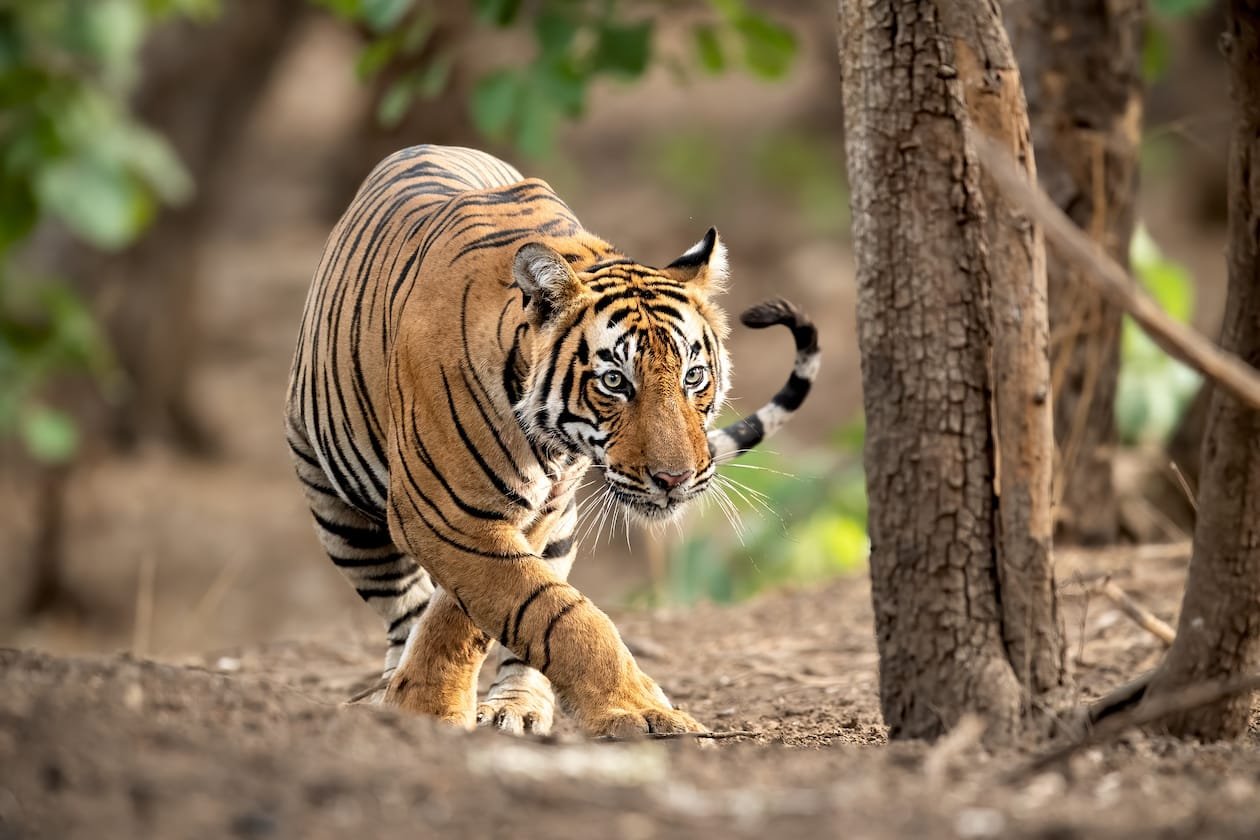
Embarking on a quest to encounter the majestic tiger in its natural habitat is an unforgettable experience, and several national parks stand out as the world’s premier locations for this purpose. These reserves are not merely sanctuaries; they are vibrant, thriving ecosystems where the Royal Bengal Tiger reigns supreme.
Bandhavgarh National Park is perhaps the most celebrated. Here, the sheer density of the tiger population makes a sighting highly probable. The park’s terrain, characterized by steep cliffs, open grasslands, and dense Sal forests surrounding an ancient hill fort, allows for excellent visibility. The tigers of Bandhavgarh are often less shy than in other parks, providing thrilling, up-close encounters for visitors in the early morning mist or the golden light of the late afternoon. This is the place to visit if your primary goal is the highest statistical chance of seeing a tiger.
A few hours away lies Kanha National Park, a sprawling landscape of lush meadows and majestic Sal trees that famously inspired the setting of Rudyard Kipling’s The Jungle Book. Kanha offers a more profound and expansive safari experience. While the tiger sightings are frequent, the reward is often a glimpse of the great cat amidst a more diverse and cinematic backdrop. Beyond the tigers, Kanha is known for its successful conservation of the endangered Hard Ground Swamp Deer, adding to the richness of the overall wildlife viewing.
Jim Corbett National Park in Uttarakhand, the oldest national park in India, boasts the largest absolute number of tigers. The diverse landscape—from riverine belts to expansive grasslands—means that sightings can be more of a chase, but the reward is seeing a tiger in a truly wild and varied setting. The Dhikala zone is particularly renowned, offering the opportunity for a memorable overnight stay within the park, deep in the territory of the great predator. This park provides a backdrop of stunning natural beauty against the Shiwalik hills.
Ranthambore National Park in Rajasthan offers a uniquely dramatic setting. The tigers here often hunt and rest around the ruins of an ancient fort and on the edges of the park’s multiple scenic lakes. This provides a spectacular, almost theatrical contrast of wildlife against history. The sparse vegetation and the open nature of the landscape near the water bodies, especially during the dry summer months, greatly improve the chances of seeing a tiger clearly, often even during the heat of the day. Its relative proximity to the popular “Golden Triangle” tourist circuit makes it one of the most accessible reserves for a quick tiger safari experience.
