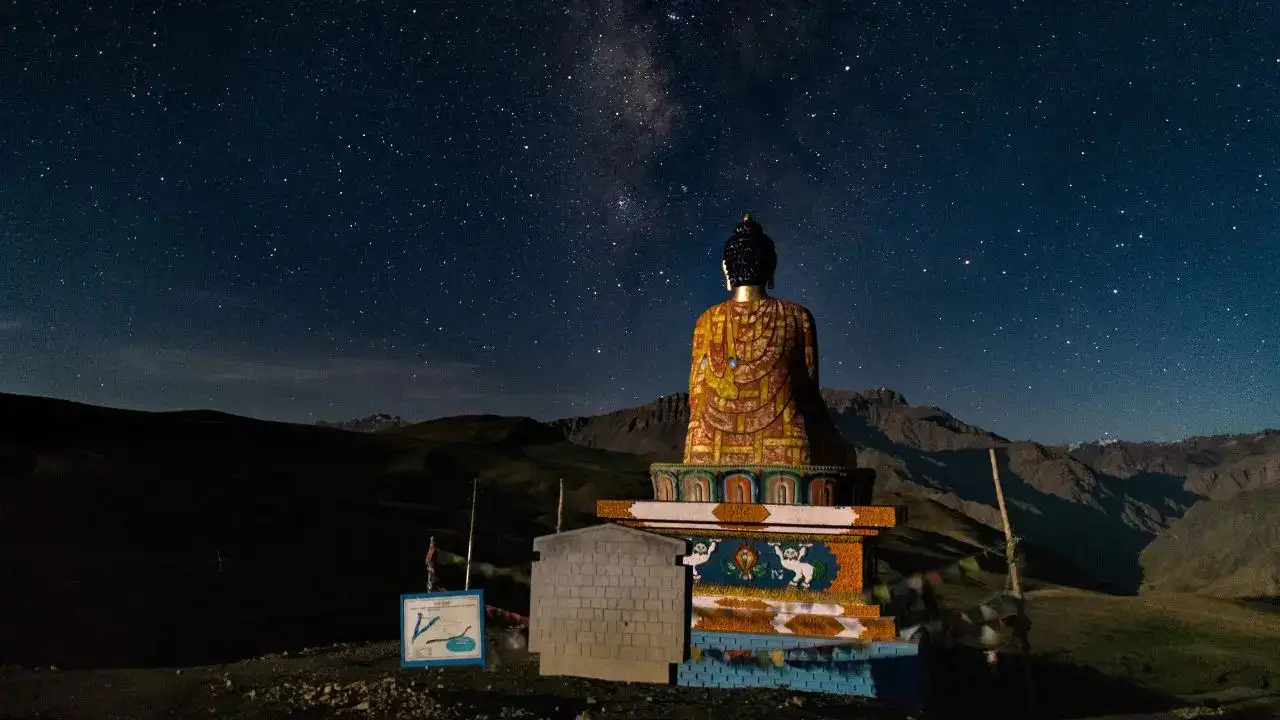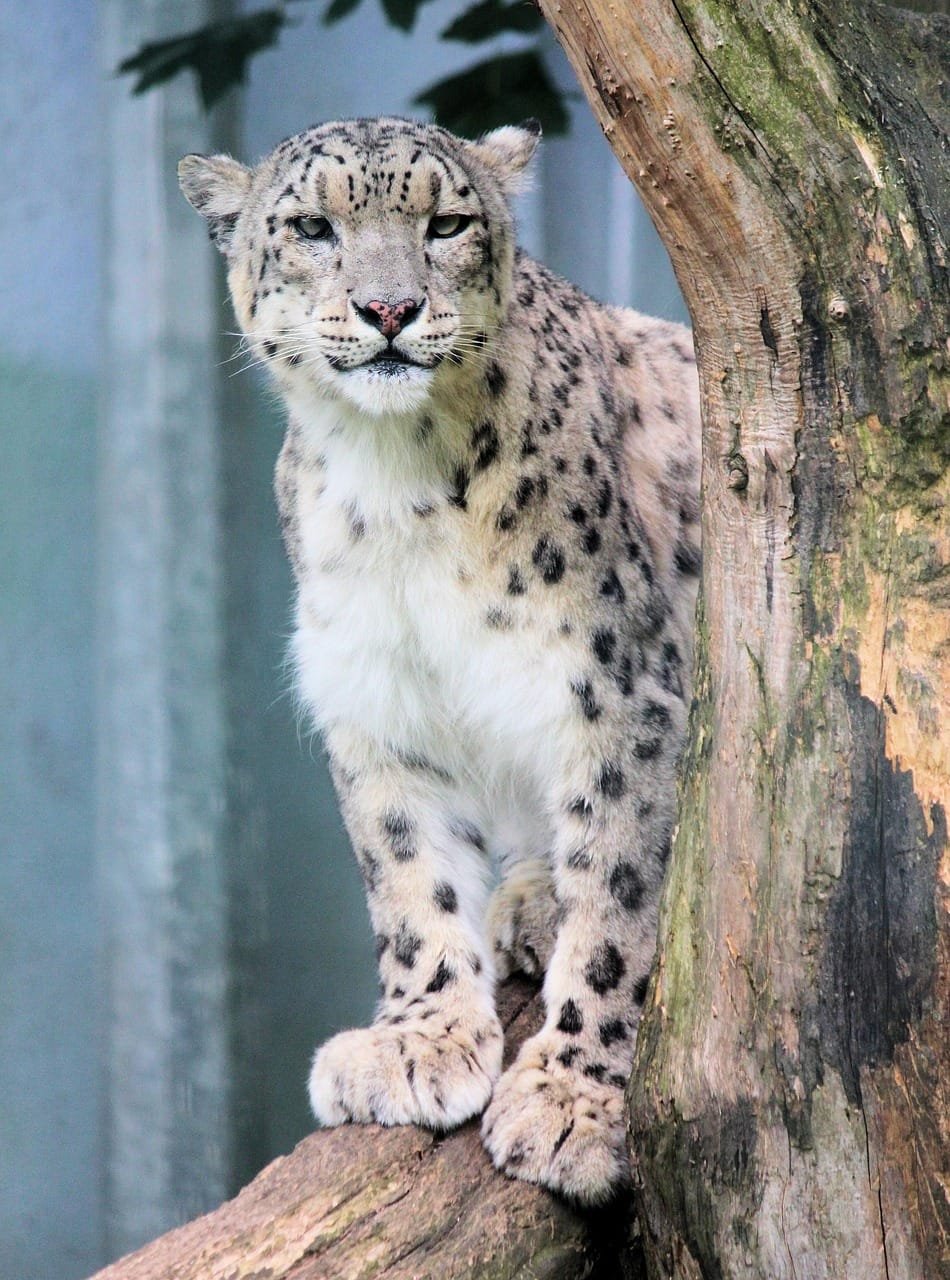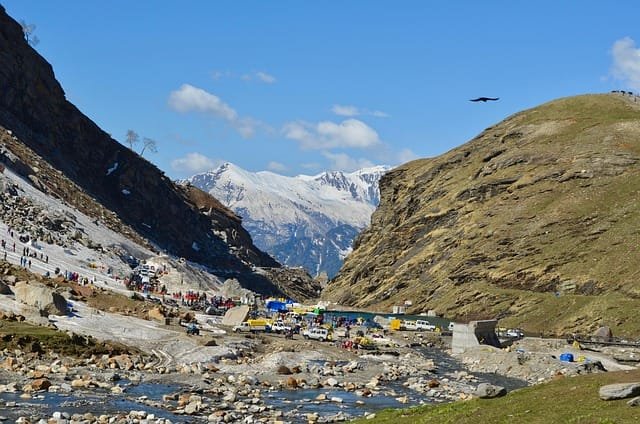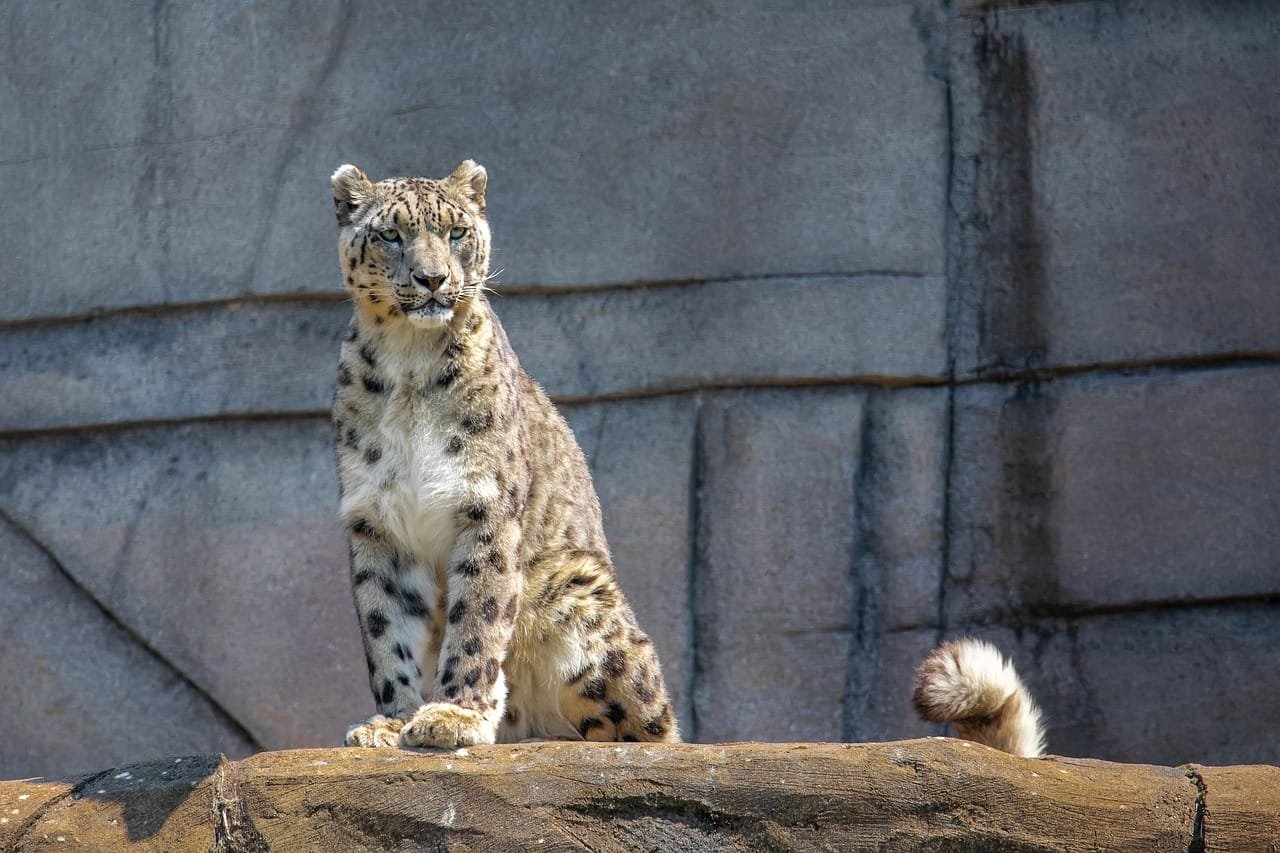
Our Snow Leopard journey takes us deep into the Trans-Himalayan region of Himachal Pradesh, to the remote Kibber Wildlife Sanctuary in Spiti Valley, which borders Tibet. Declared a sanctuary in 1992, Kibber spans nearly 2,200 sq. km and ranges dramatically in altitude from 3,600 to 6,700 meters. For decades, its forbidding terrain, extreme winter conditions, and poor road access left this region isolated for much of the year. Only in recent years has the road to Spiti been kept open year-round, finally allowing access to its stark yet stunning winter landscapes.
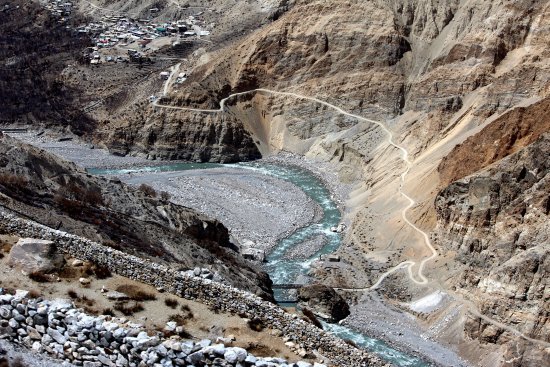
Our expedition begins in Chandigarh, from where we drive through Shimla and the western Himalayas on a breathtaking three-day road journey into Spiti. Though long and adventurous, with carefully planned stops for rest and acclimatization, this drive is often described as one of the world’s most spectacular road trips—beautiful, but not for the faint-hearted.
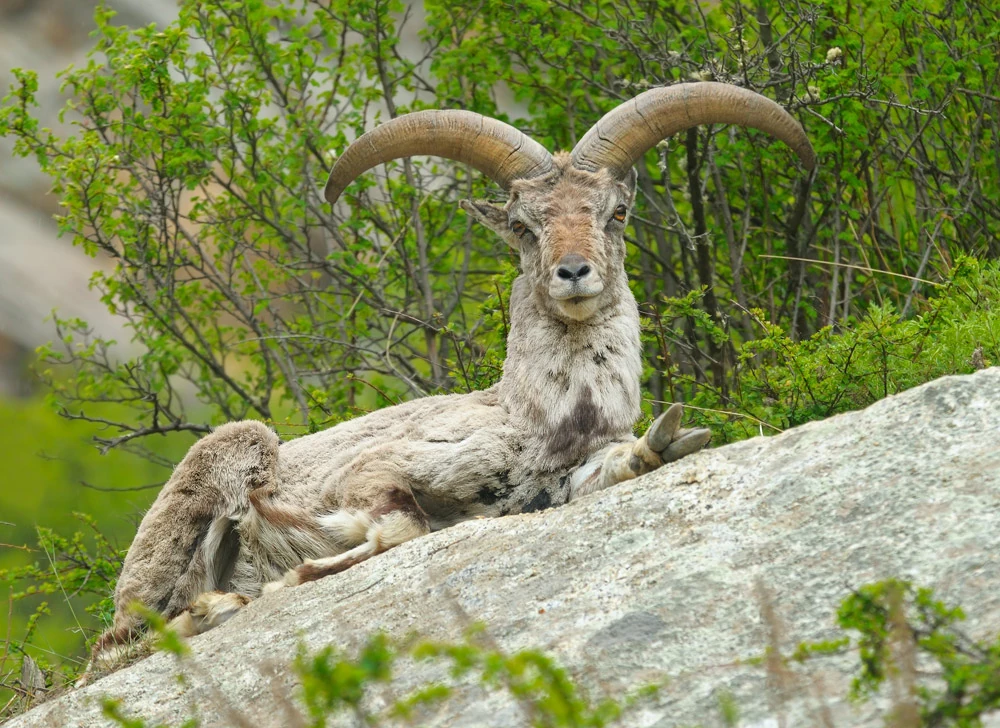
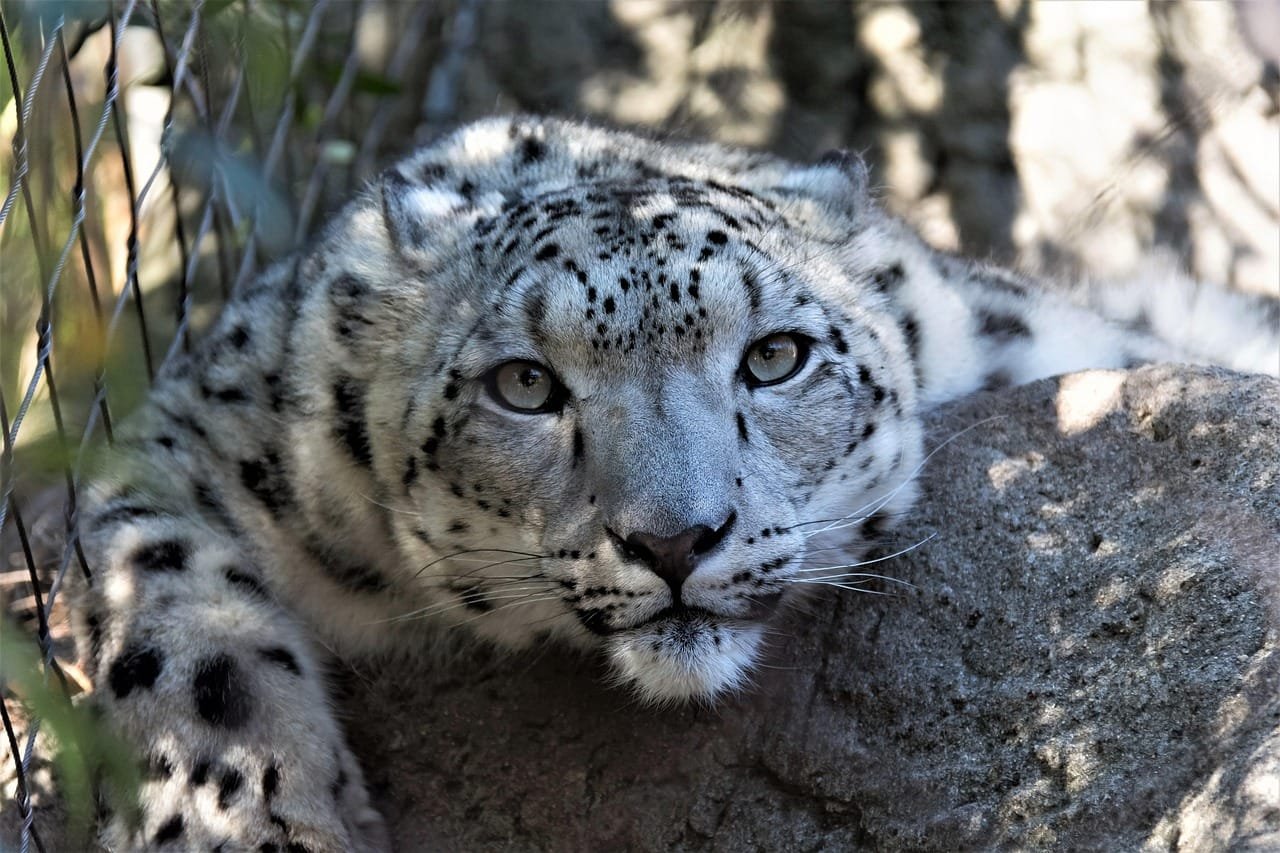
The sanctuary is believed to shelter around 30 elusive Snow Leopards, and during the winter months, the cliffs and ridges surrounding Kibber Village offer some of the best opportunities to observe and photograph them. Other wildlife includes Siberian Ibex, Blue Sheep, Tibetan Wolf, Red Fox, Woolly Hare, and Pika. Though bird diversity is limited, raptors like Golden Eagles, Lammergeiers, Himalayan Griffons, and smaller species such as Snow Pigeons, Yellow-billed Choughs, Tibetan Partridges, and Chukars can often be spotted.
We base ourselves at a comfortable homestay in Kibber Village, perched at 4,270 meters on a dramatic limestone outcrop. With only about 80 houses, Kibber is among the highest villages in the world accessible by road. From here, aided by local spotters, we spend most of our days scanning the ridges and valleys for wildlife. While we will have a vehicle available, conditions often make walking a quicker and more rewarding way to explore.