Dudhwa National Park, located in the Terai region of Uttar Pradesh, is one of India’s most biodiverse reserves. Spread across 490 sq. km (core) and forming part of the larger Dudhwa Tiger Reserve (over 1,200 sq. km), the park lies along the Indo-Nepal border. Its landscape is dominated by sal forests, vast grasslands, wetlands, and the Sharda River, which together create a mosaic of habitats for a remarkable range of wildlife.
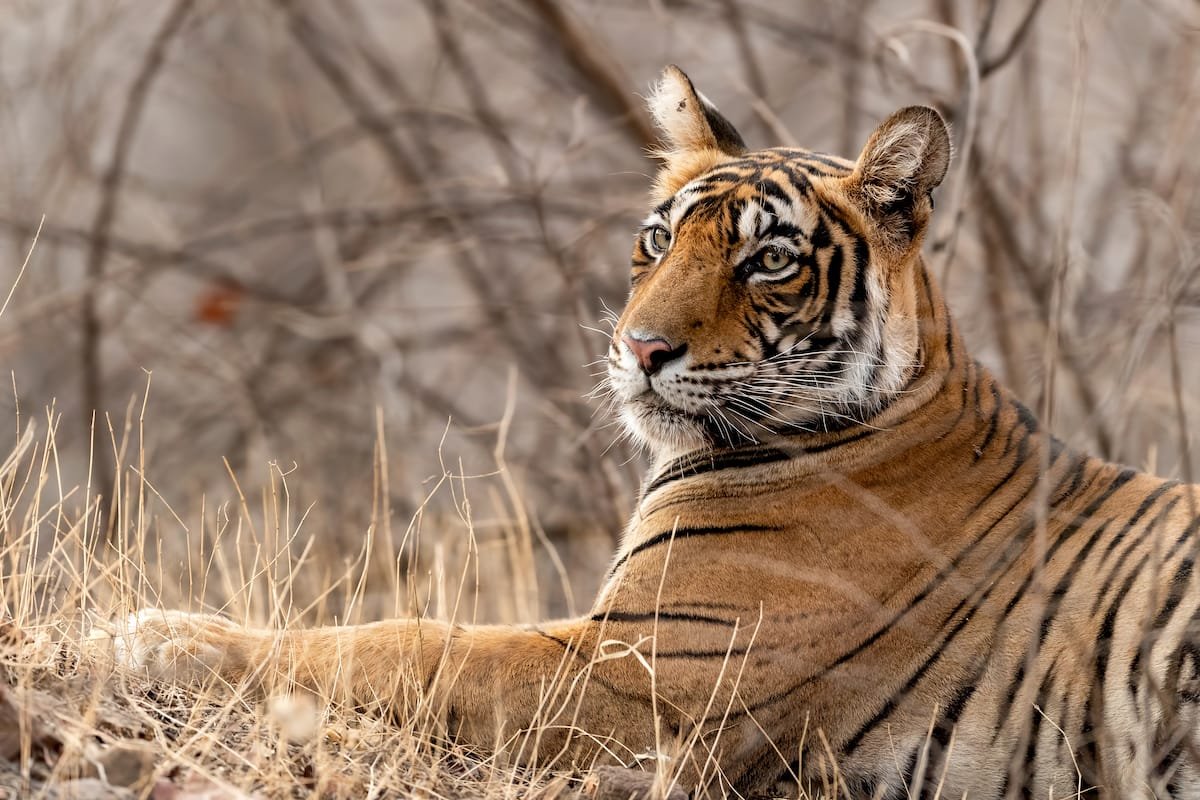
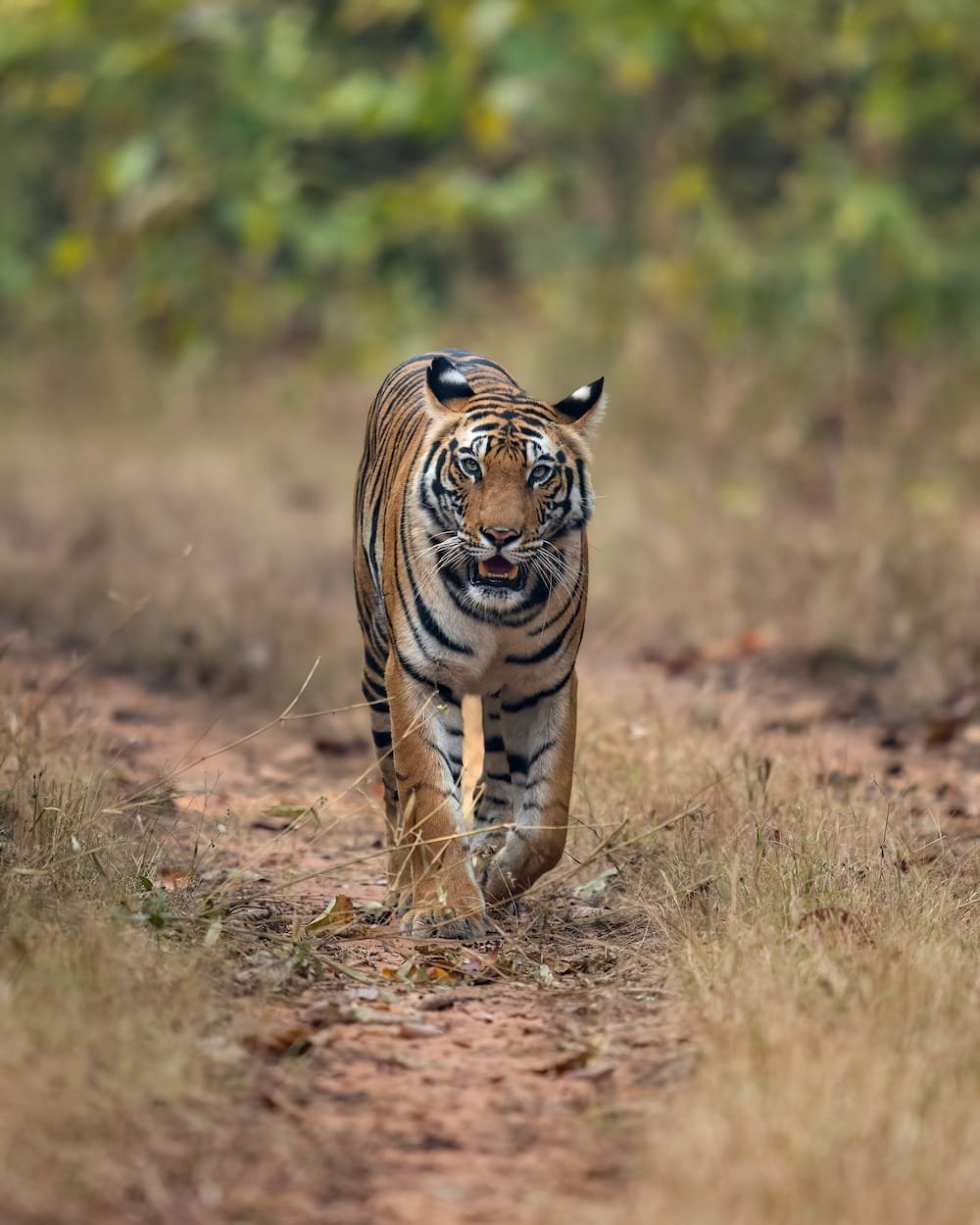
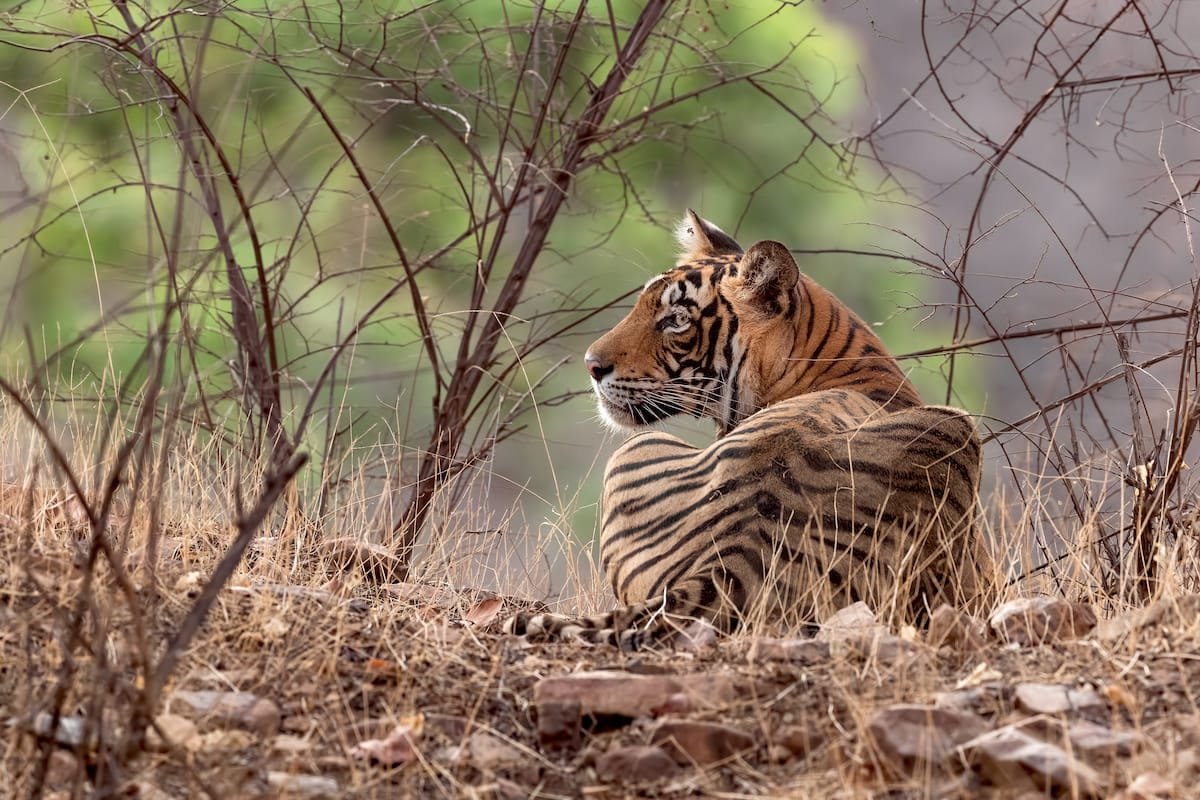
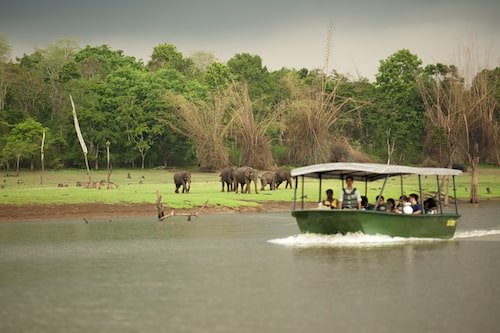
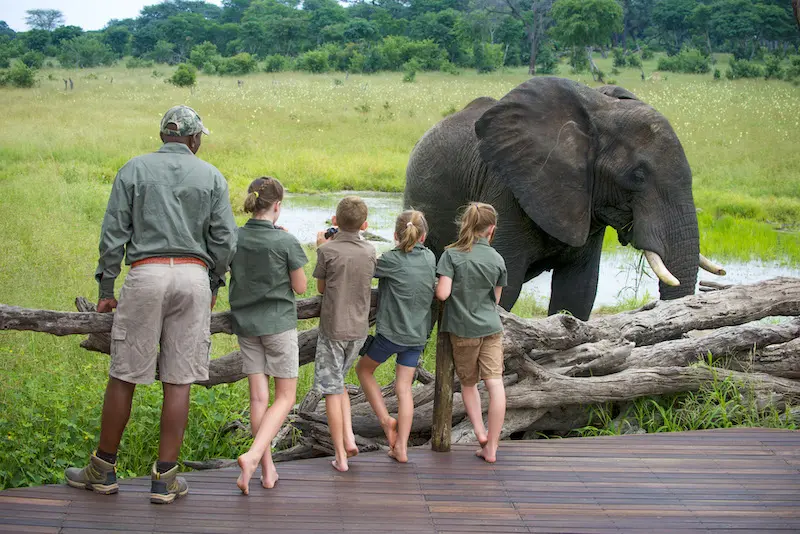
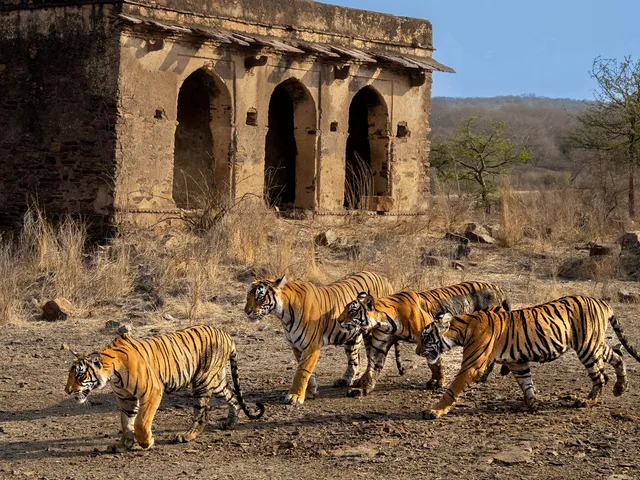
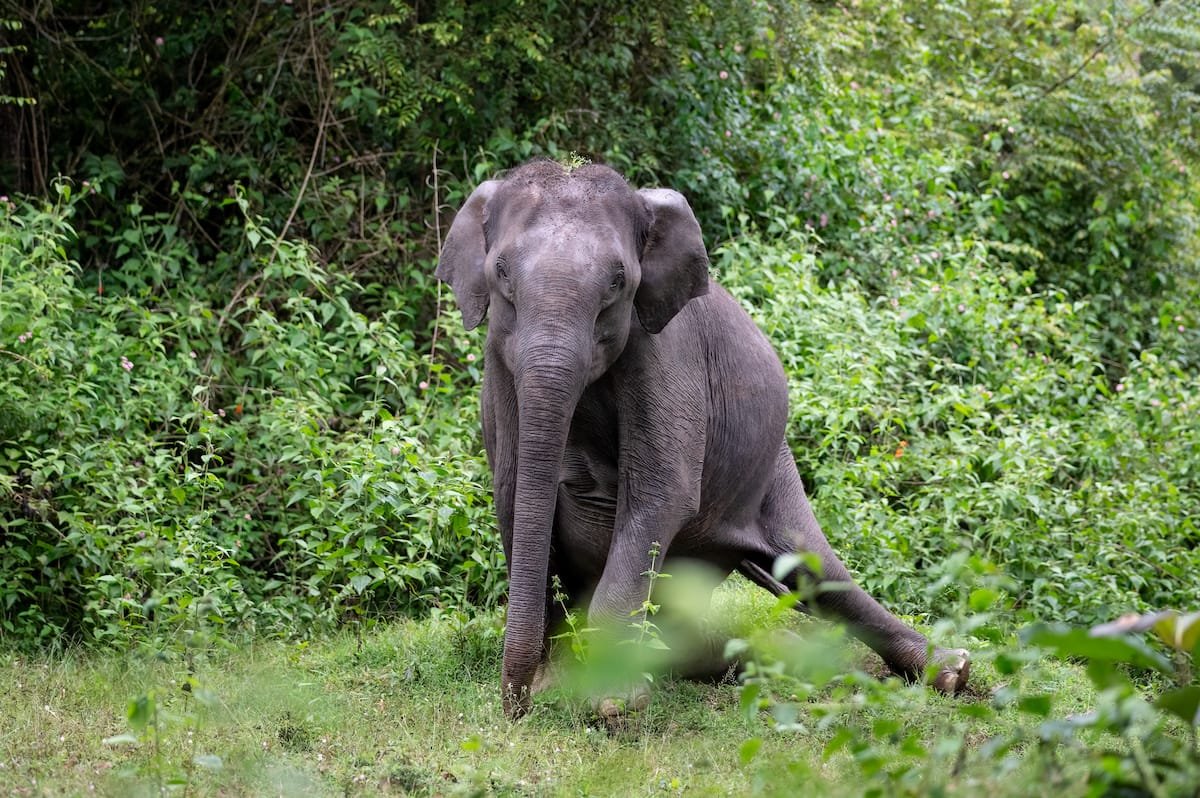
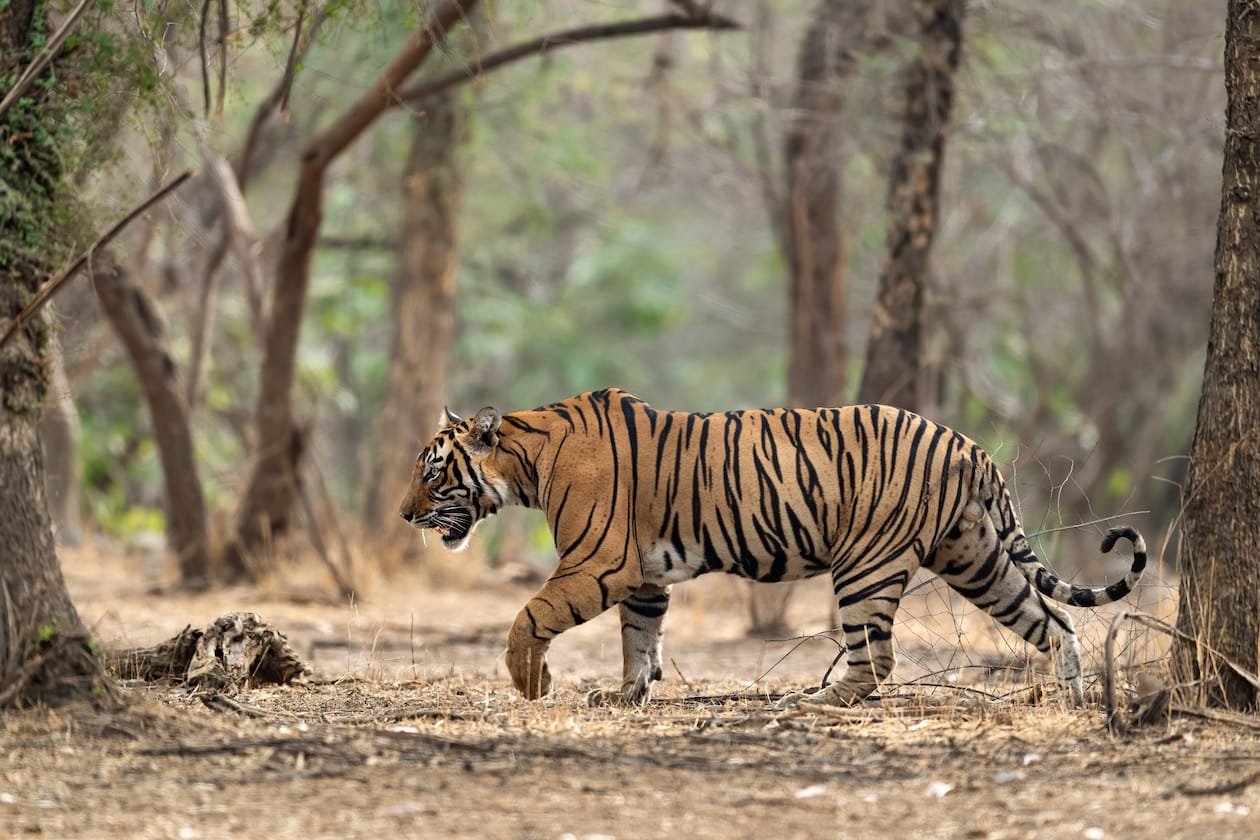
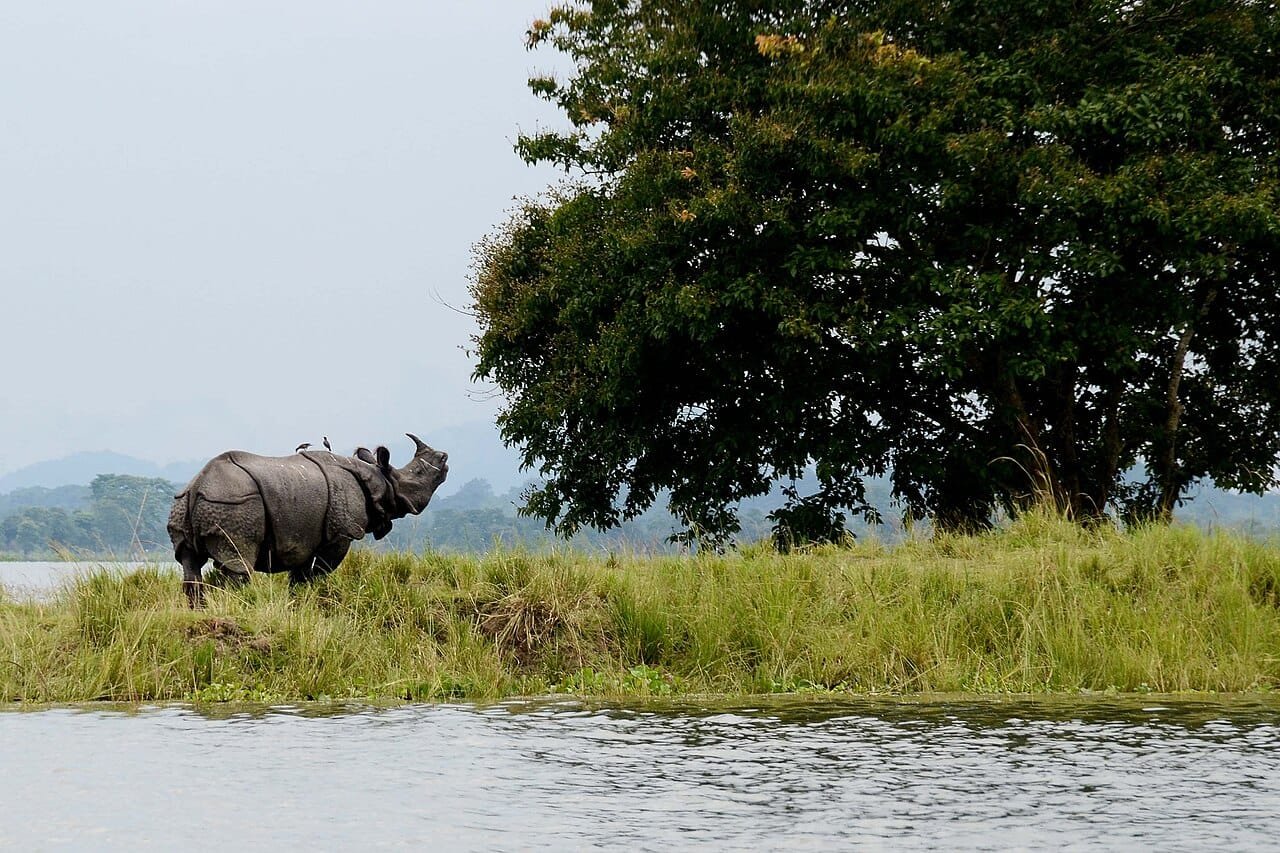
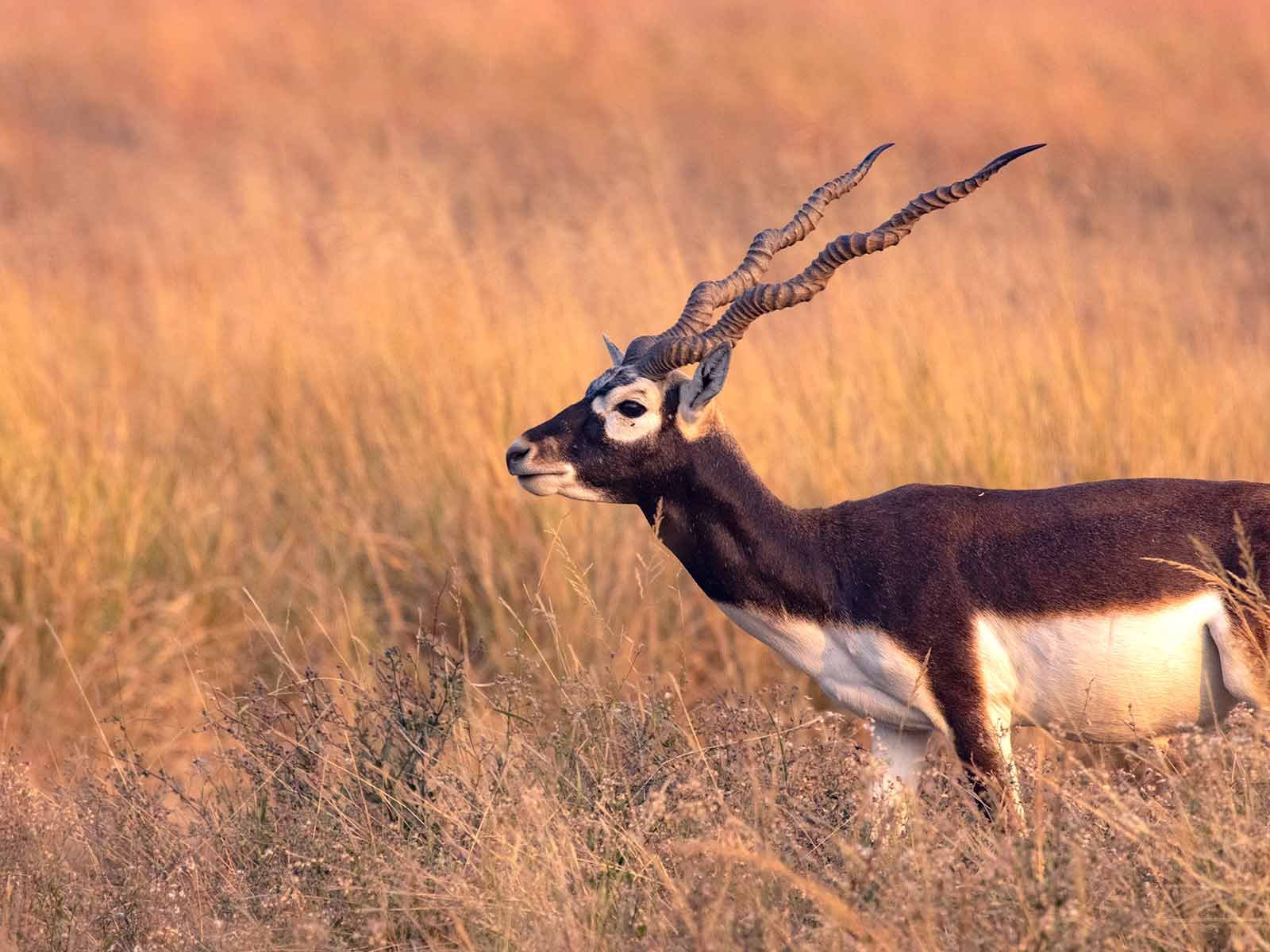
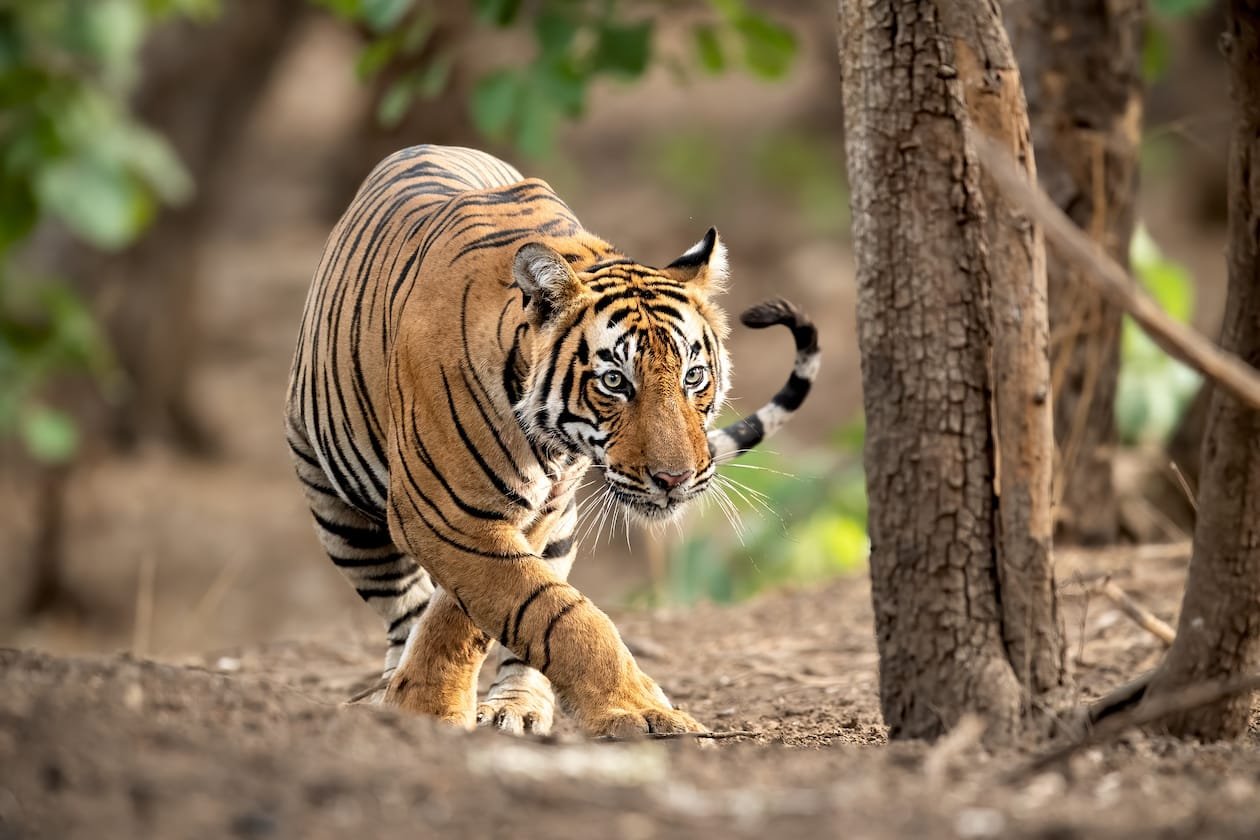
The park is home to flagship species such as the Bengal tiger, Indian one-horned rhinoceros, and Asian elephant, making it one of the few reserves in India where all three coexist. Other mammals include leopards, swamp deer (barasingha), hispid hare, and fishing cats. Reptiles like marsh crocodiles and gharials thrive in its rivers, while the wetlands support rich aquatic life.
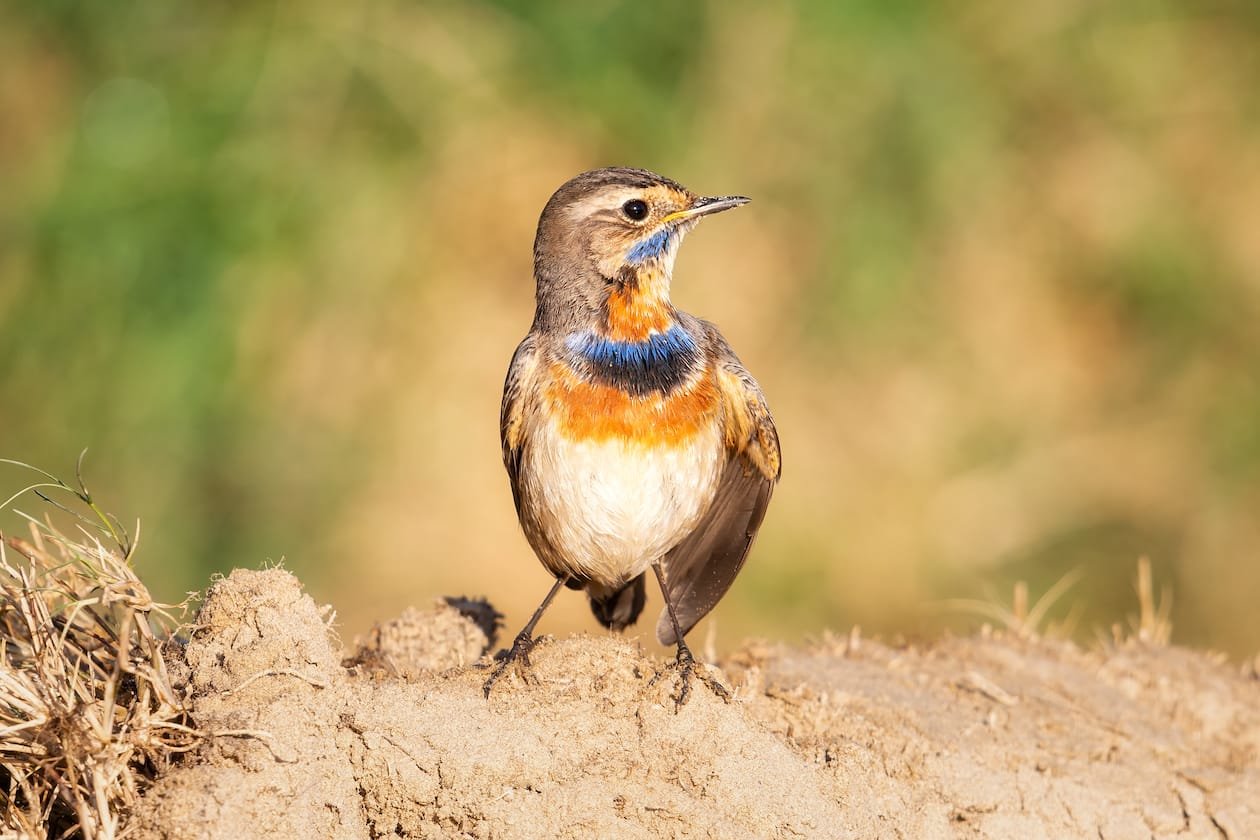
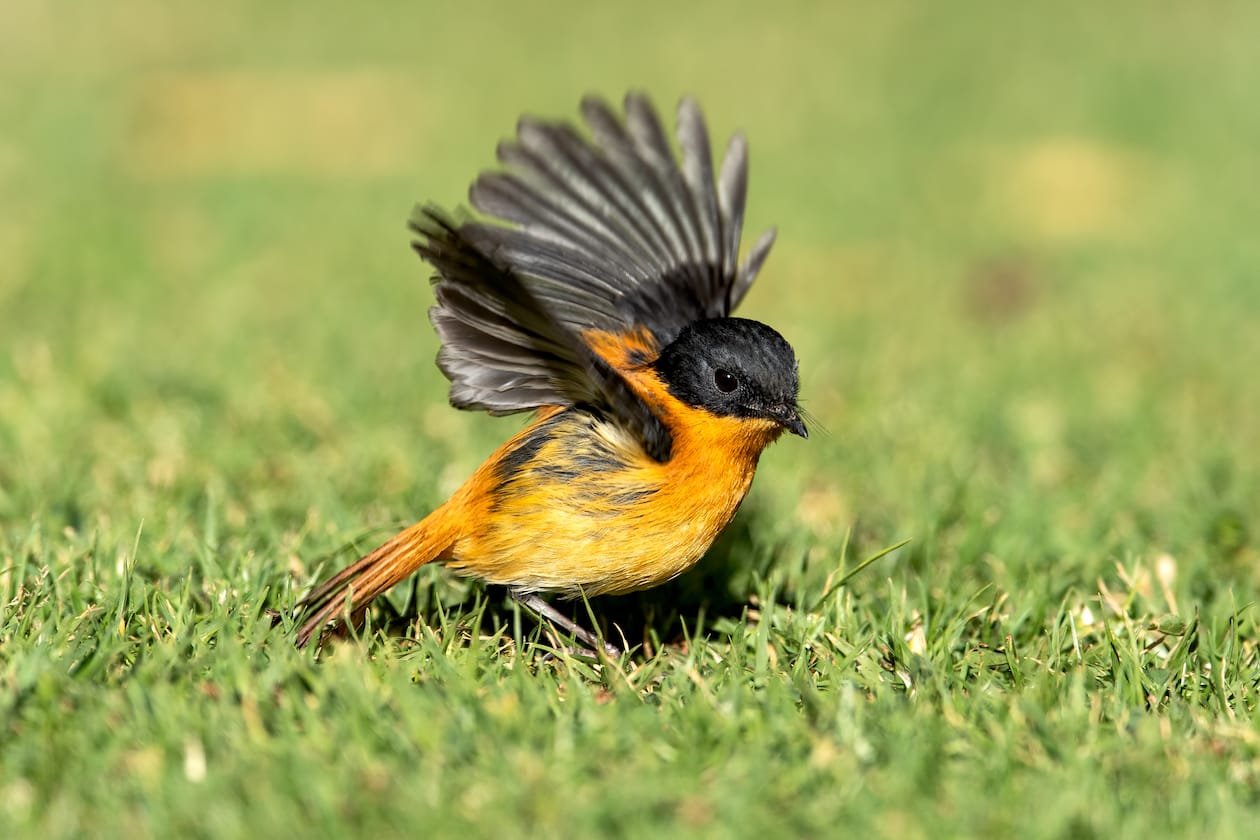
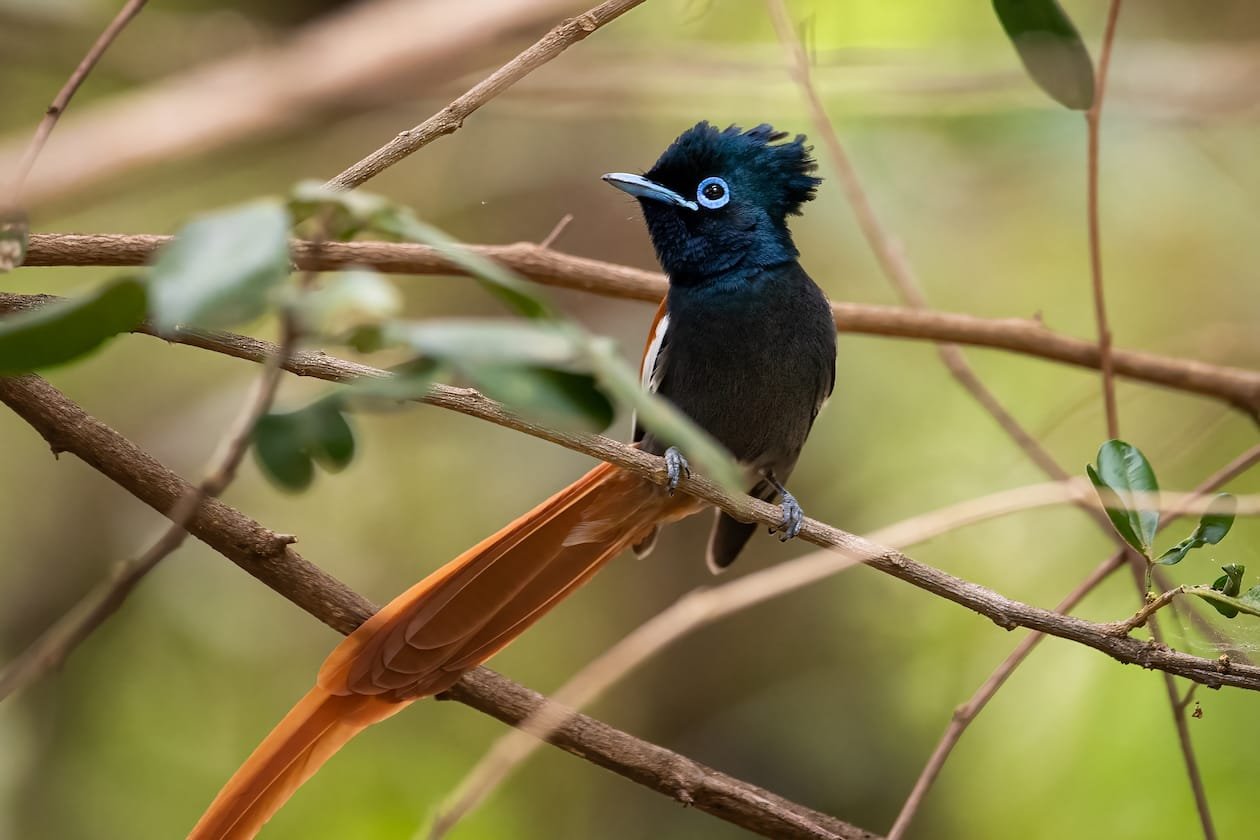
Bird diversity is another highlight, with over 450 species recorded. From critically endangered vultures and migratory species like the great slaty woodpecker to resident birds such as owls, hornbills, and kingfishers, Dudhwa is a paradise for ornithologists. Its location along the Indo-Gangetic migratory route adds to its avian richness.
About Dudhwa National Park
Dudhwa was declared a wildlife sanctuary in 1958, a tiger reserve in 1979 under Project Tiger, and later attained the status of a national park in 1977. Today, along with Kishanpur and Katarniaghat Wildlife Sanctuaries, it forms the larger Dudhwa Tiger Reserve. The park gained international recognition due to the conservation efforts of ‘Billy’ Arjan Singh, a legendary wildlife conservationist who reintroduced tigers and leopards into the wild here.
The terrain of Dudhwa is flat and fertile, part of the Terai-Bhabar ecosystem at the Himalayan foothills. Its marshes and tall grasslands are particularly important for the survival of the endangered swamp deer (barasingha), whose population here is one of the largest in the world. The reserve also provides a critical corridor for elephants and tigers moving between India and Nepal.
Culturally, the park is surrounded by villages and tribal communities, mainly the Tharu people, who have lived in harmony with the forest for centuries. Their traditions, architecture, and lifestyle add a human dimension to Dudhwa, making it not just a wildlife destination but also a cultural landscape.