Kaziranga_National_Park

Kaziranga National Park

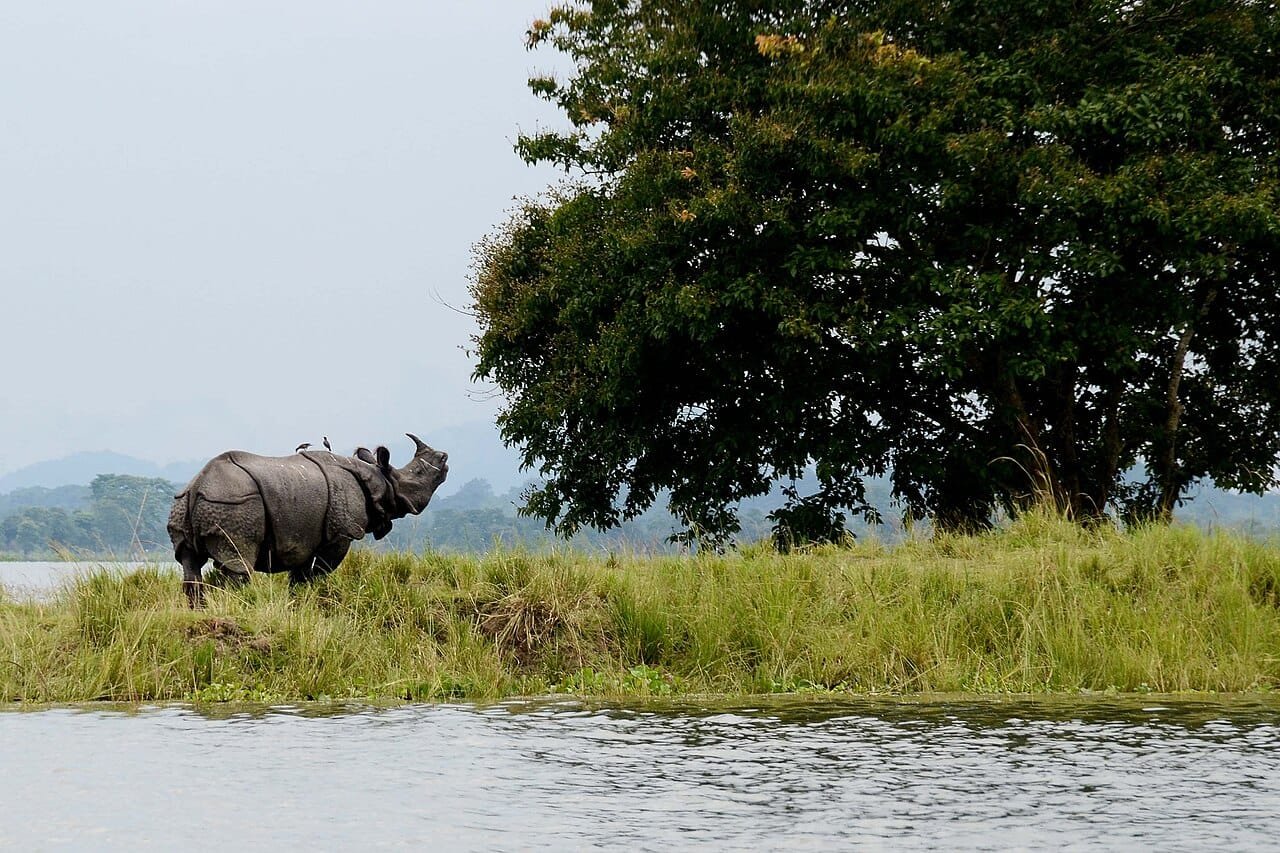
Kaziranga, a UNESCO World Heritage Site in Assam, India, is globally famous for protecting the Great One-Horned Rhinoceros. This park features vast grasslands, dense forests, and high tiger density.

Kaziranga National Park, located in Assam, is one of India’s most celebrated wildlife sanctuaries and a UNESCO World Heritage Site. Covering an area of 1,090 sq. km, the park is situated along the Brahmaputra River floodplains and is characterized by tall elephant grasses, dense forests, marshes, and ox-bow lakes. These habitats sustain one of the richest biodiversity zones in northeast India.

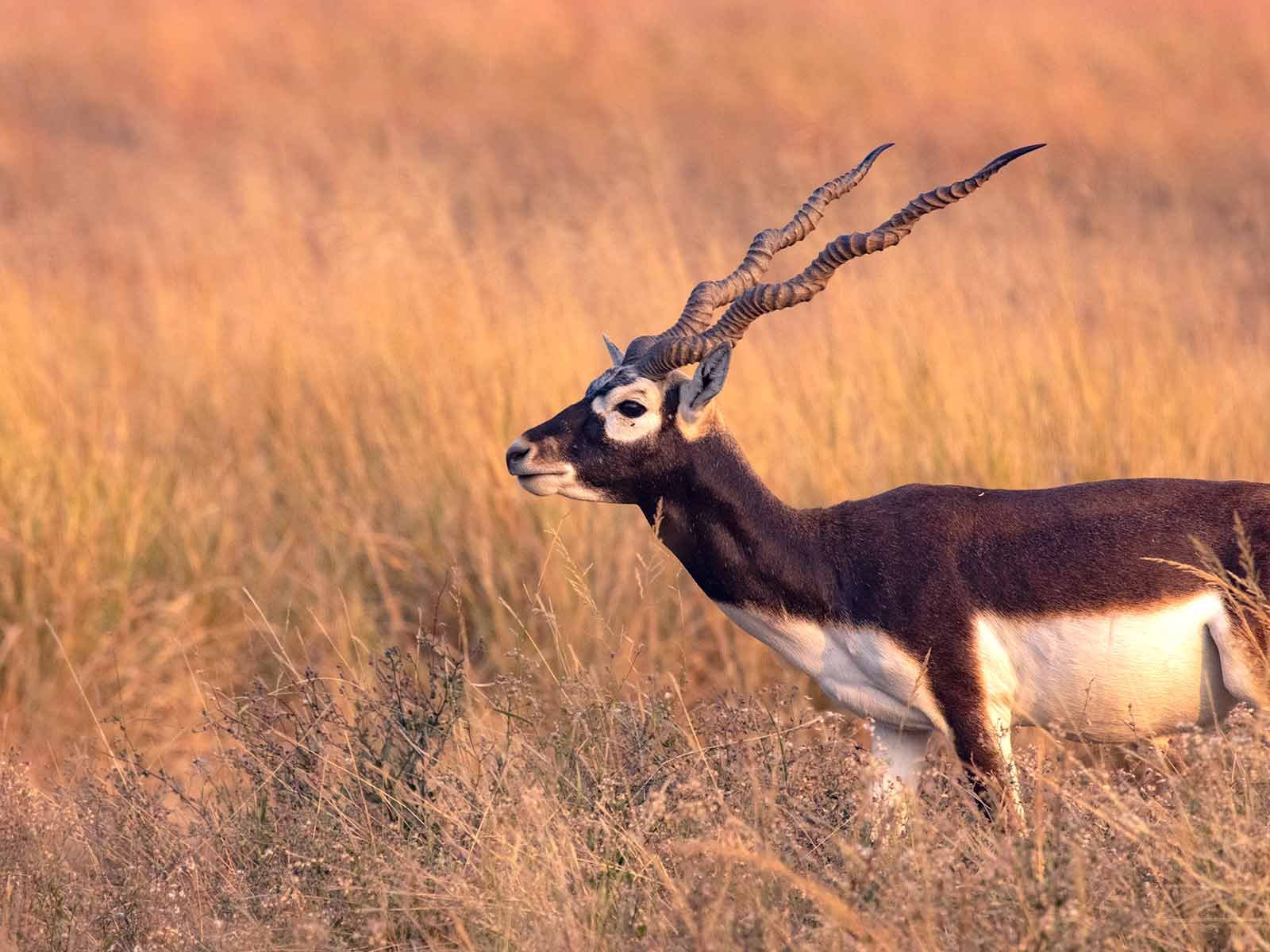
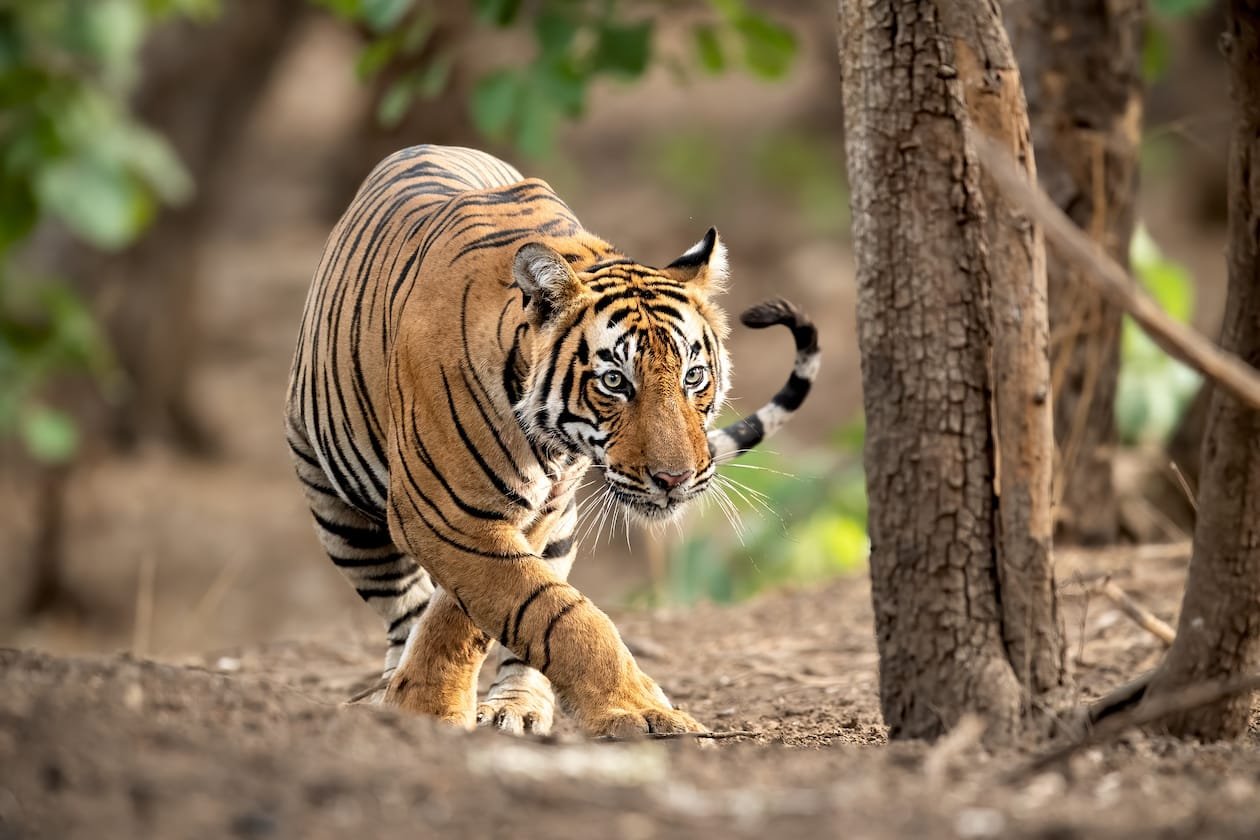
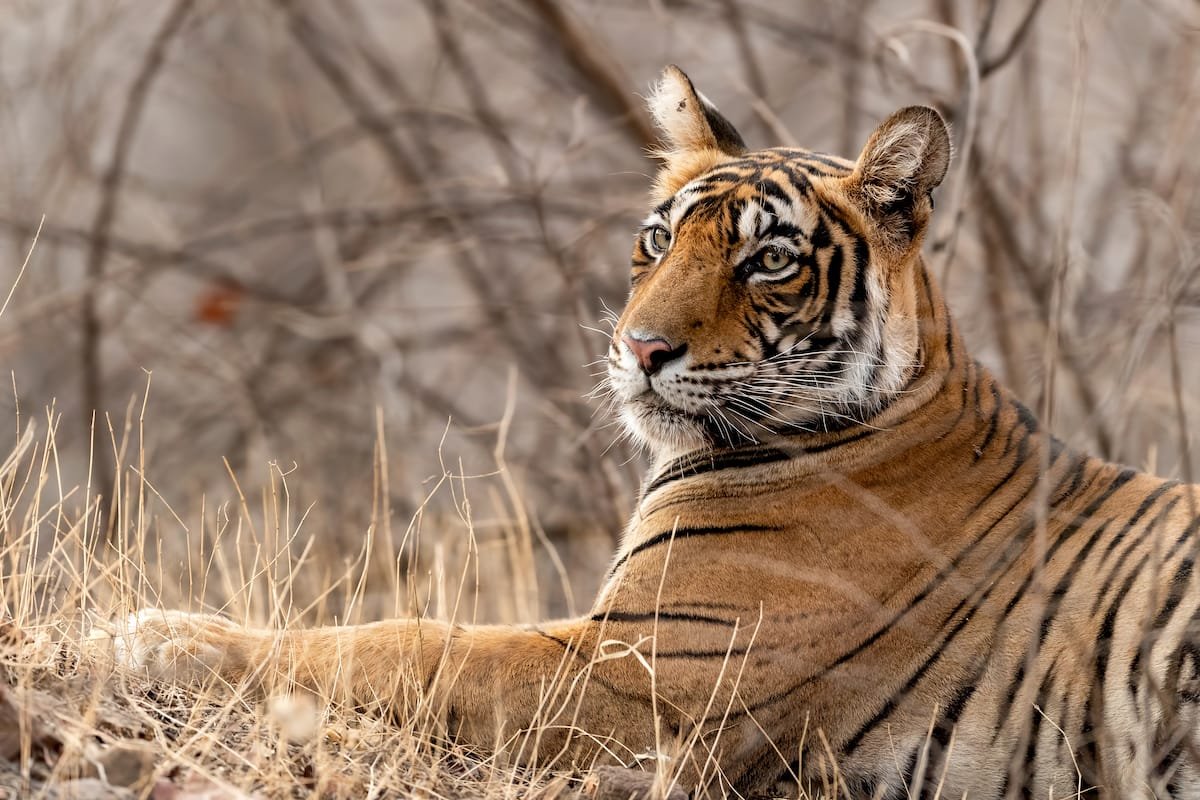
The park is world-famous for hosting the largest population of the Indian one-horned rhinoceros, which thrives in its grasslands. Apart from rhinos, Kaziranga supports a high density of tigers, wild water buffalo, swamp deer, and Asiatic elephants, making it one of the most complete representations of the Indian megafauna. Smaller species such as hoolock gibbons, capped langurs, otters, and hog deer also contribute to its diversity.

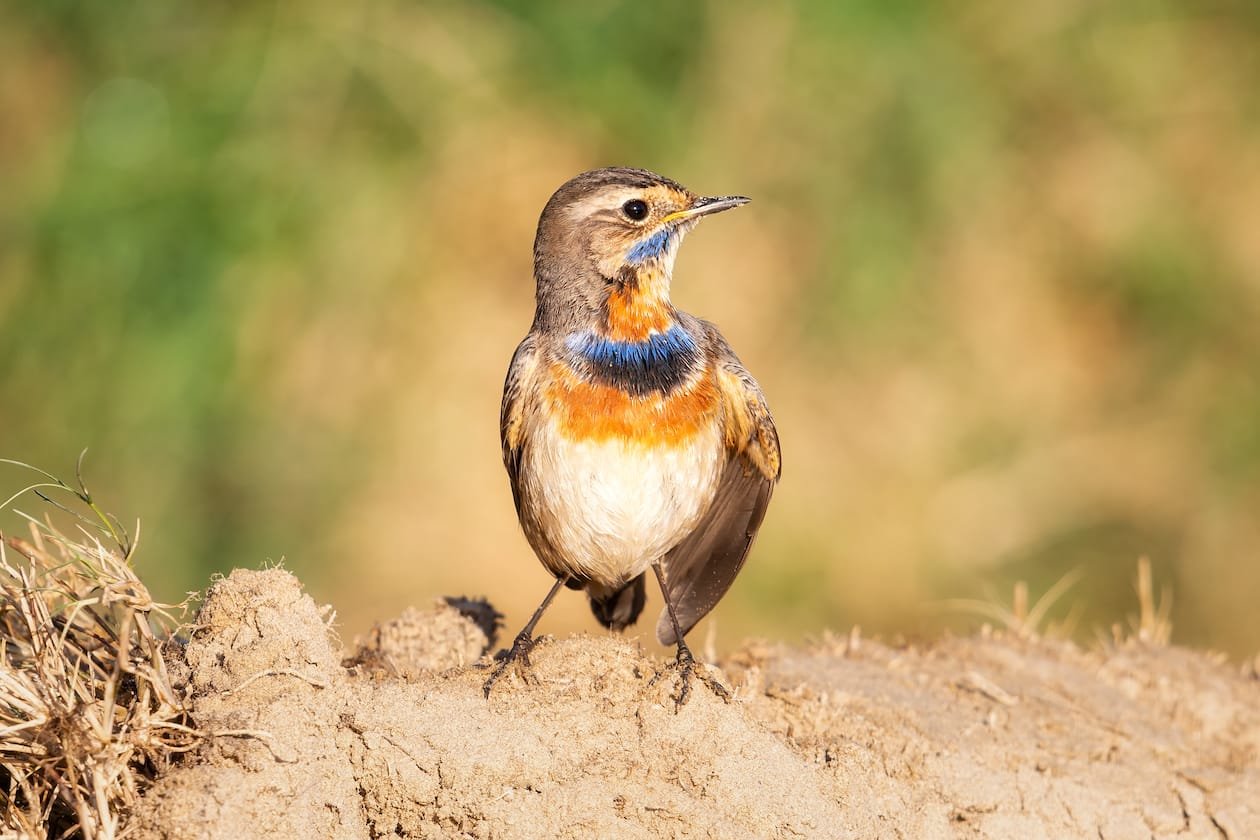
Kaziranga is equally known for its birdlife, with more than 480 species recorded, including migratory species from Central Asia and Siberia. It is recognized as an Important Bird Area (IBA), home to species like the Bengal florican, greater adjutant stork, black-necked stork, and a variety of raptors and waterfowl. This incredible blend of mammals, reptiles, and birds makes Kaziranga one of the greatest strongholds of biodiversity in Asia.

About Kaziranga National Park

Kaziranga was declared a reserve forest in 1908, a wildlife sanctuary in 1950, and later a national park in 1974. In 1985, it gained international recognition as a UNESCO World Heritage Site due to its unique ecosystems and rare species. It was also declared a Tiger Reserve in 2006 because of its healthy tiger population.

The park lies in the floodplains of the Brahmaputra River, which floods annually. While these floods cause temporary displacement, they also replenish the soil, maintain grassland ecosystems, and create wetlands that support migratory bird species. This natural cycle is vital to Kaziranga’s ecological balance.

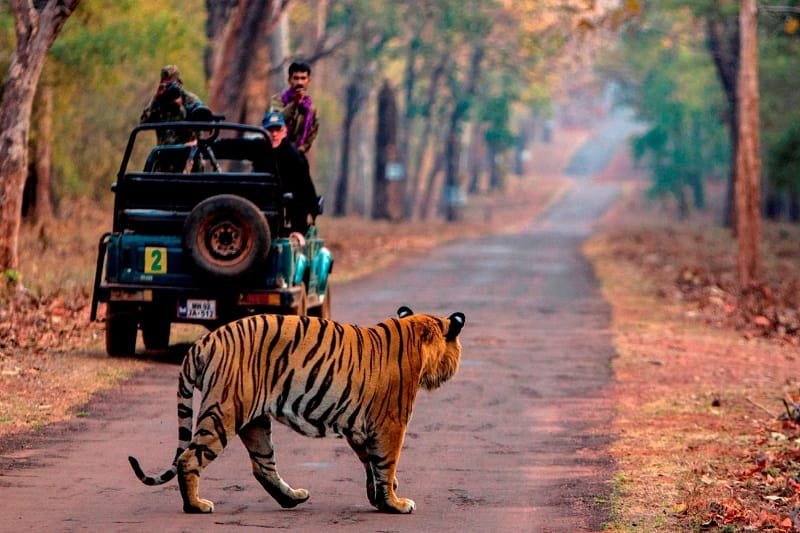
Tourism is centered around jeep safaris and elephant rides that take visitors deep into the grasslands for wildlife sightings. Kaziranga is not just a wildlife destination but also a symbol of successful conservation, as the population of one-horned rhinoceroses has steadily risen due to strict protection measures.
🦁 Mammals

Indian One-Horned Rhinoceros

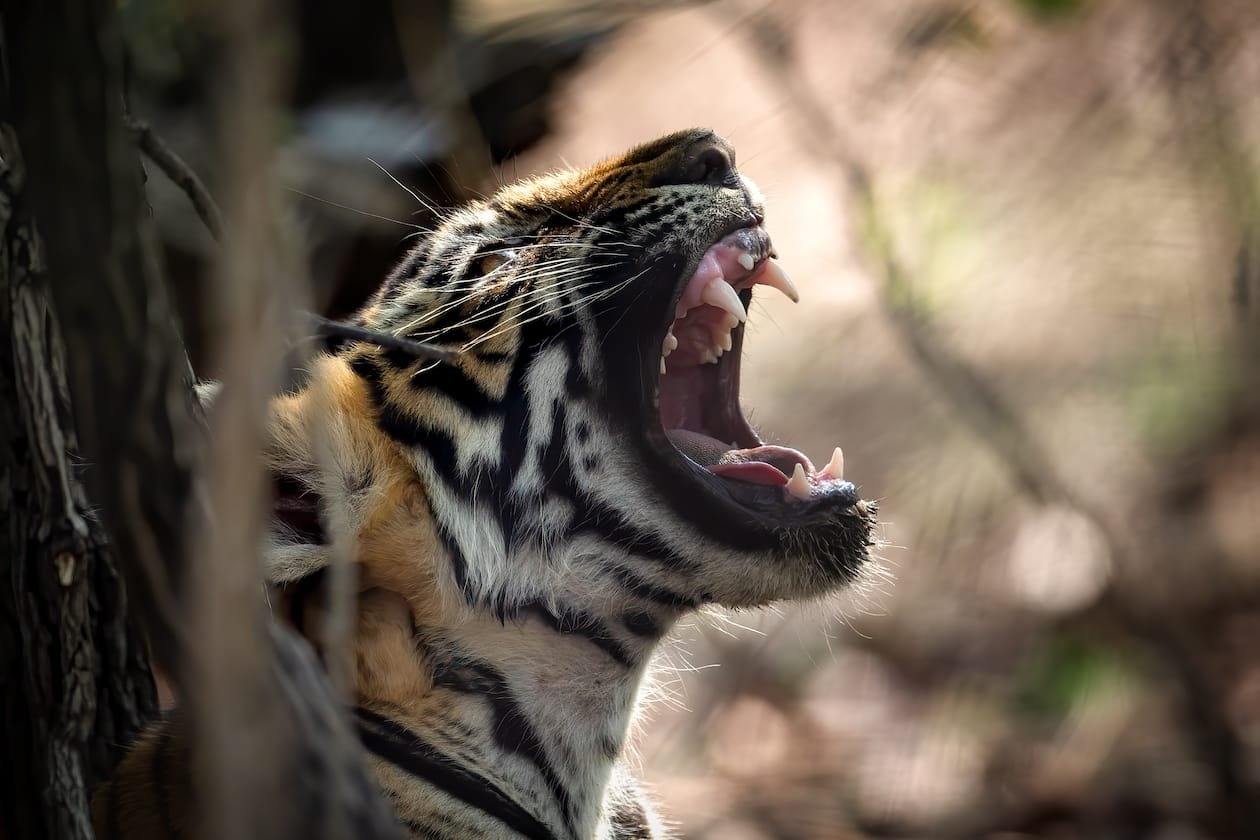
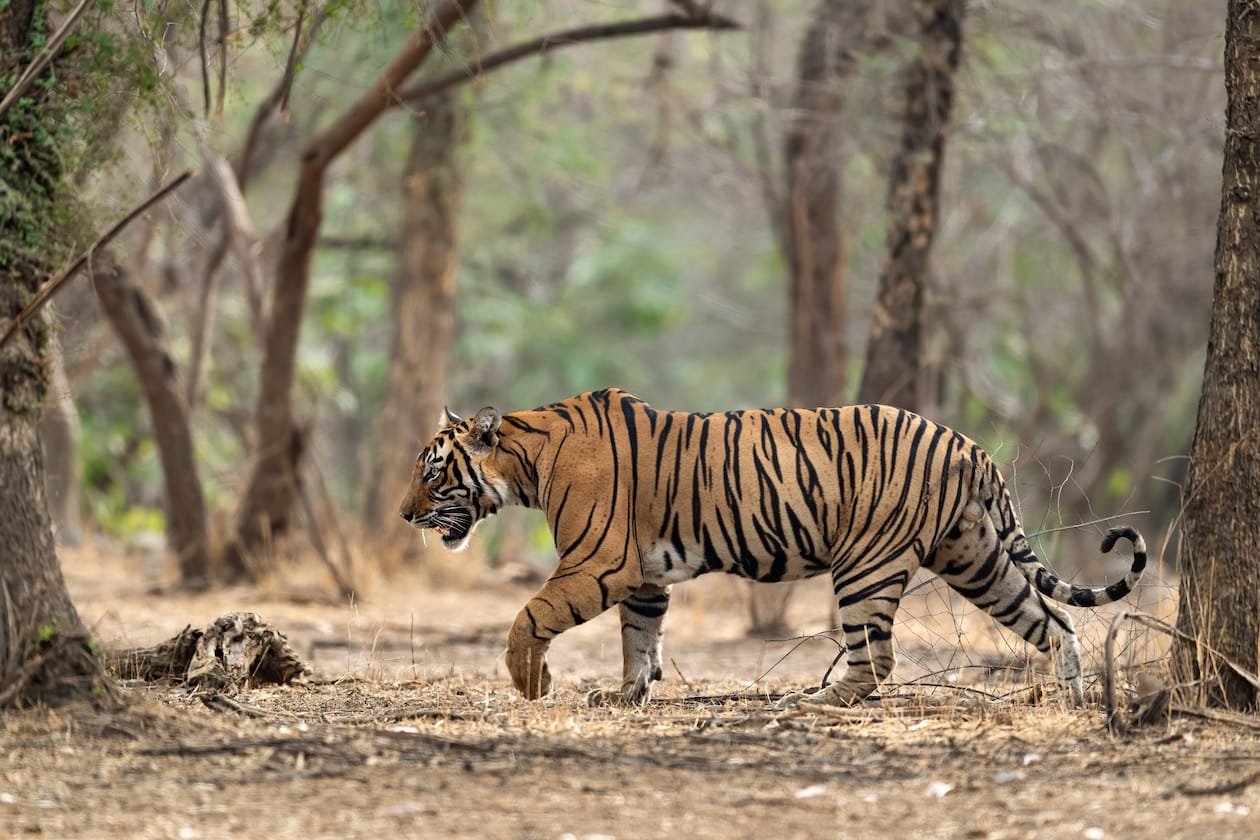
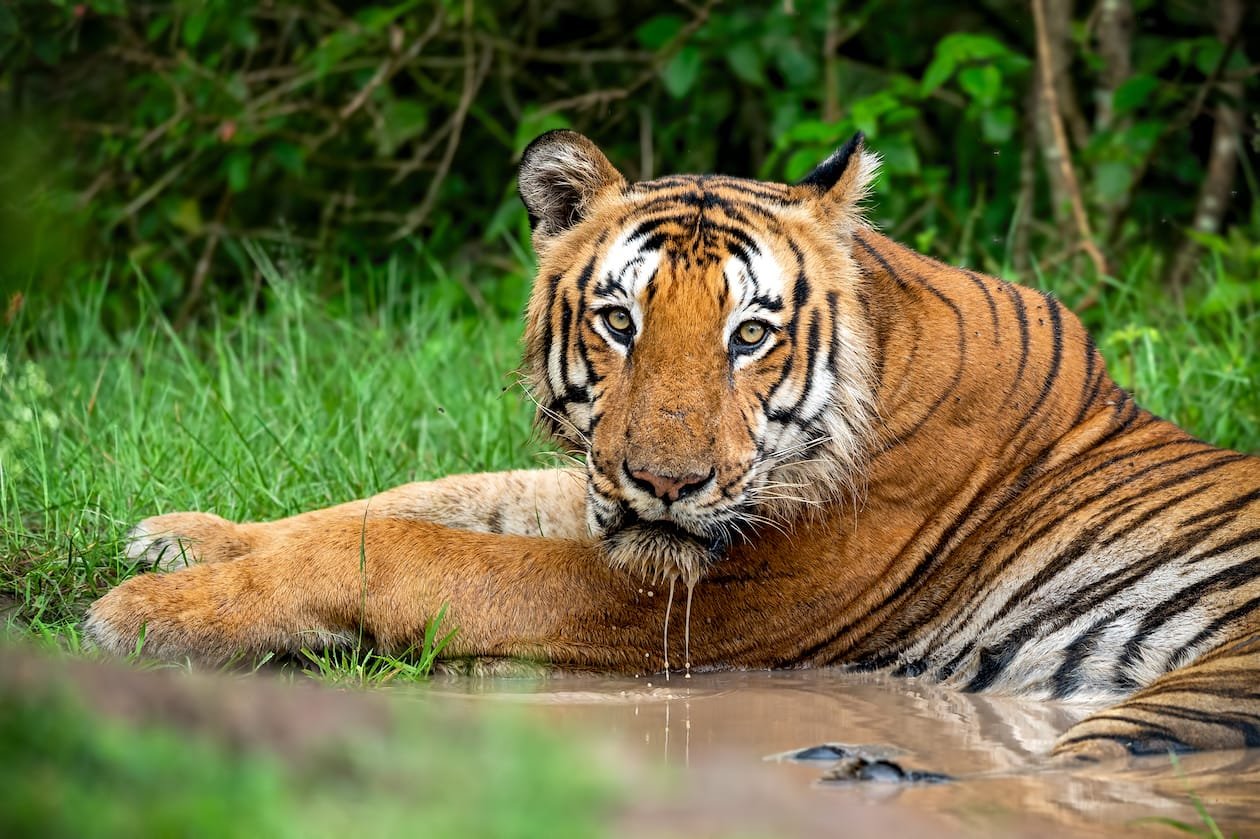
Bengal Tiger

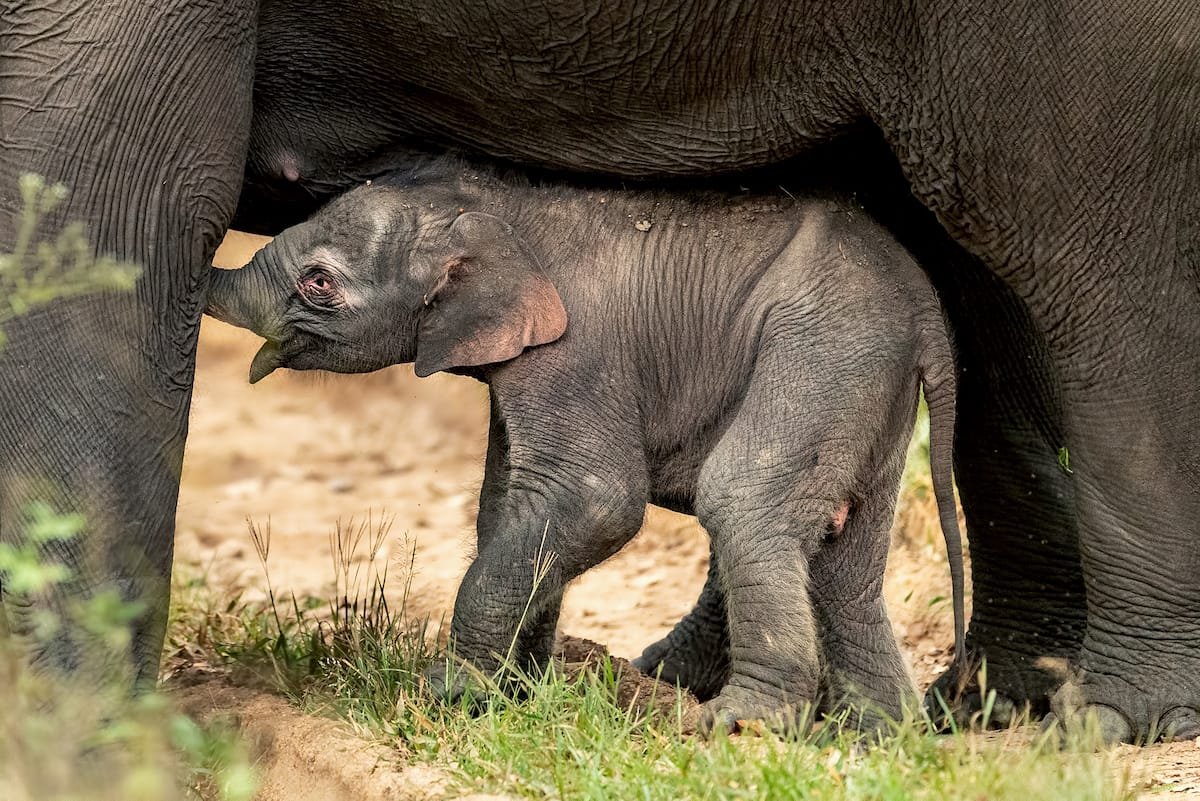
Asiatic Elephant

Wild Water Buffalo

Swamp Deer (Barasingha)

Indian Leopard

Hog Deer

Hoolock Gibbon

Capped Langur

Smooth-Coated Otter

🦅 Birds

Bengal Florican (endangered)

Greater Adjutant Stork

Black-necked Stork

Pallas’s Fish Eagle

Spot-billed Pelican

Swamp Francolin

Lesser Adjutant Stork

Grey-headed Fish Eagle

Ruddy Shelduck

Bar-headed Goose

Best Time To Visit

The Winter Season (November to February) is the most ideal. The weather is cool and dry (around 5°C to 25°C), which is perfect for comfortable elephant and jeep safaris. This is also the peak time for excellent wildlife sightings, as the tall grass is short, and migratory birds are present.

You should avoid the Monsoon Season (May to October) as the park is closed due to heavy rainfall and flooding from the Brahmaputra River. March and April are also good, offering warmer weather and continued high visibility.

Safari Zones

  • Central (Kohora): Most popular for Rhinos, Elephants, and diverse sightings; offers both Jeep & Elephant safaris.

  • Western (Bagori): Best for up-close One-horned Rhinos (especially on the Elephant Safari) and Wild Water Buffalo.

  • Eastern (Agaratoli): Best for Birdwatching (wetlands), Elephants, and has a different, less crowded landscape.

  • Burapahar: Best for Hoolock Gibbons, primates, and a unique safari experience in hilly/forested terrain.

Surprising Facts

Kaziranga is known as the "Land of the Big Five", as it is one of the only places in the world where visitors can see rhinoceros, tiger, elephant, wild buffalo, and swamp deer in a single park. This rare combination makes it one of the most iconic wildlife destinations not only in India but across the globe.

430+

Square Kilometers

35+

mammals species

478+

bird species

148+

tigers

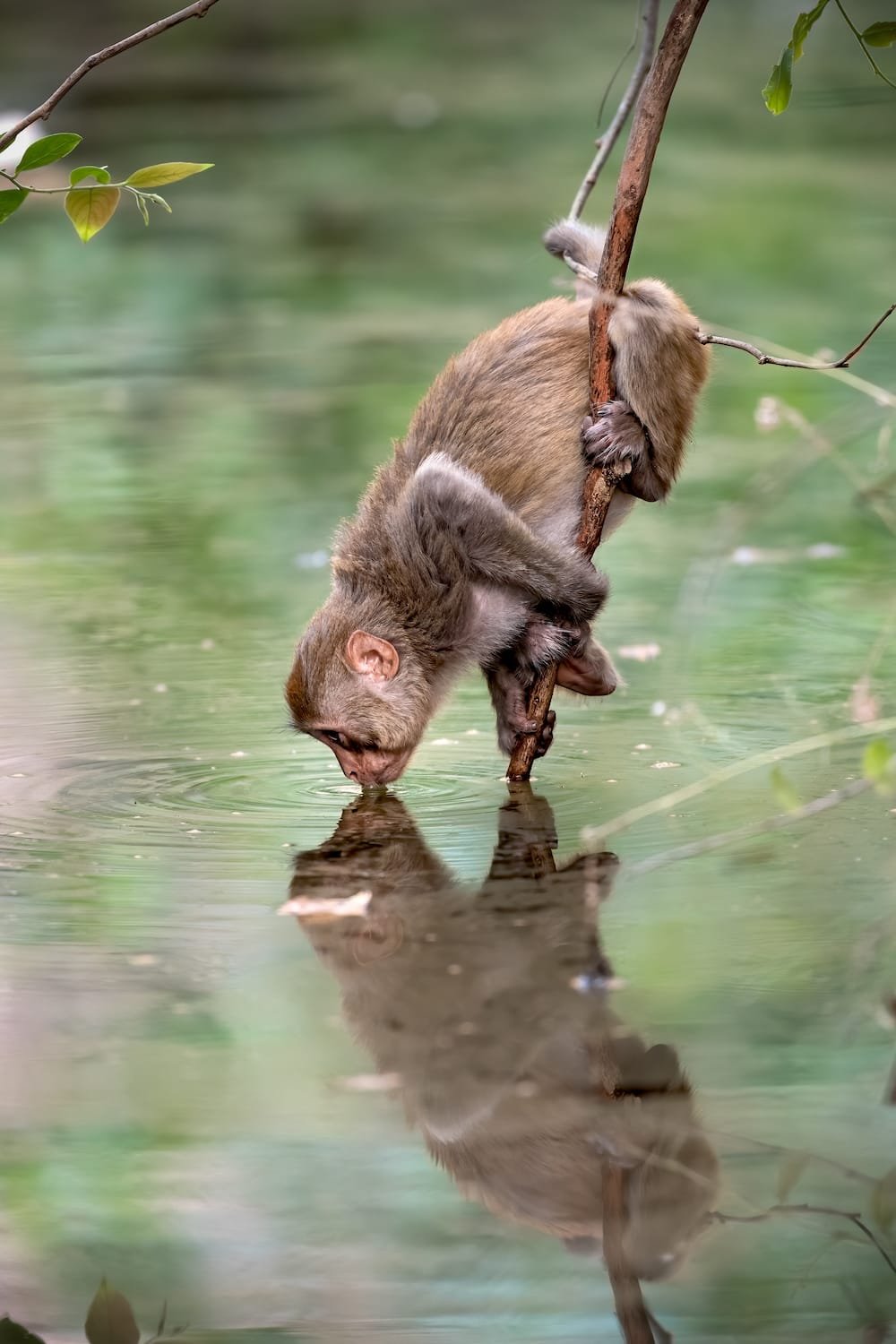
unique glimpses

Captured Moments

A glimpse into the wild, captured in perfect harmony.

How To Reach

Plan your Journey to Kaziranga National Park with ease - by Air, Train or Road!

By Air

The nearest airport is Jorhat Airport (97 km), while Guwahati Airport (217 km) provides better connectivity to major Indian cities.

By Train

The closest railway station is Furkating (75 km), connected to Guwahati and other Assam cities.

By Road

Kaziranga is well connected by National Highway 37 to Guwahati (217 km), Jorhat (97 km), and Tezpur (75 km). Regular buses, taxis, and private vehicles are available.

Things To Do

Make every moment count — here’s what to do in Kaziranga National Park!

Jeep Safari

Explore all four ranges (Central/Kohora, Western/Bagori, Eastern/Agaratoli, Burapahar) for diverse animal sightings, including the One-Horned Rhino.

Elephant Safari

A unique, close-up experience, primarily offered in the Central (Kohora) and Western (Bagori) ranges for Rhinos and other large mammals (morning only).

Birdwatching

Especially good in the Eastern (Agaratoli) range wetlands for viewing migratory and resident bird species like pelicans and storks.

Tea Gardens

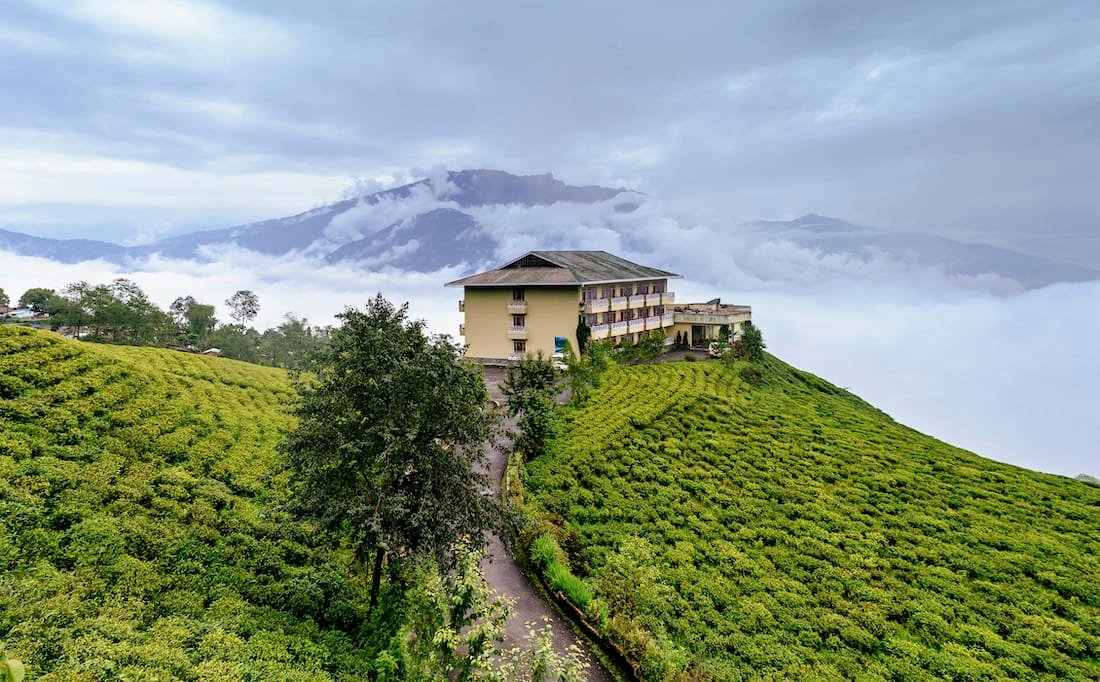
Visit nearby estates like Hathikuli to see the tea-making process and enjoy the scenic landscape.

Local Village Visit

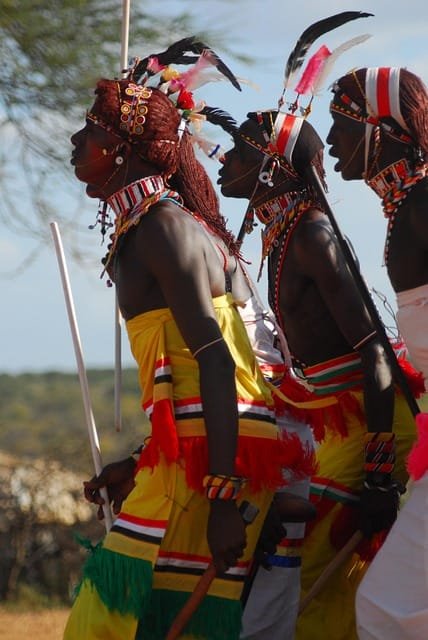
Experience the culture and traditional weaving of the Assamese, Mishing, or Karbi tribes in nearby villages.

create your experience

Design Your Customized Safari

Every Journey is unique. Tell us your vision and we'll craft a Personalized safari experience tailored to your desired!

Related Safaris