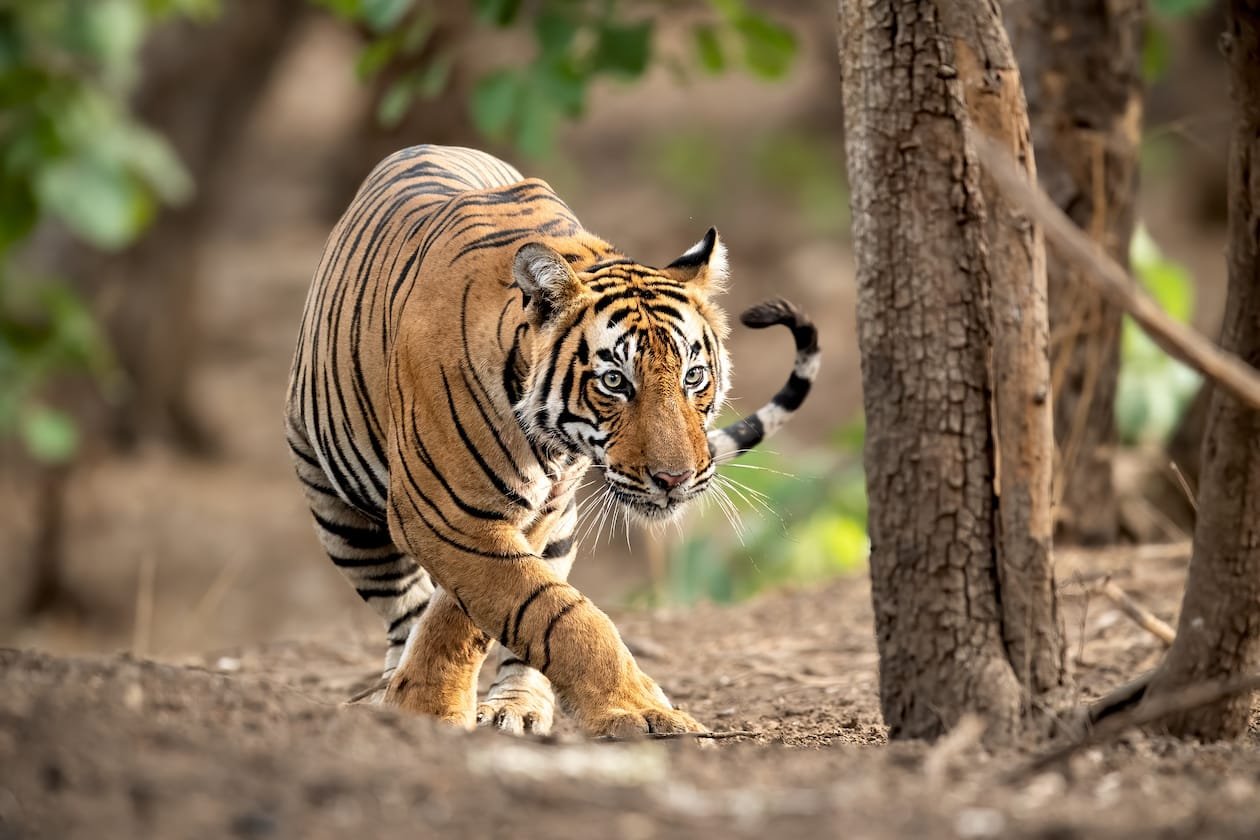
tiger photography

Dudhwa National Park

Dudhwa National Park is an enchanting wildlife reserve and tiger sanctuary in the Terai region of Uttar Pradesh, renowned for its tigers, one-horned rhinoceros, and the world's largest population of Swamp Deer (Barasingha).

Dudhwa National Park, located in the Terai region of Uttar Pradesh, is one of India’s most biodiverse reserves. Spread across 490 sq. km (core) and forming part of the larger Dudhwa Tiger Reserve (over 1,200 sq. km), the park lies along the Indo-Nepal border. Its landscape is dominated by sal forests, vast grasslands, wetlands, and the Sharda River, which together create a mosaic of habitats for a remarkable range of wildlife.

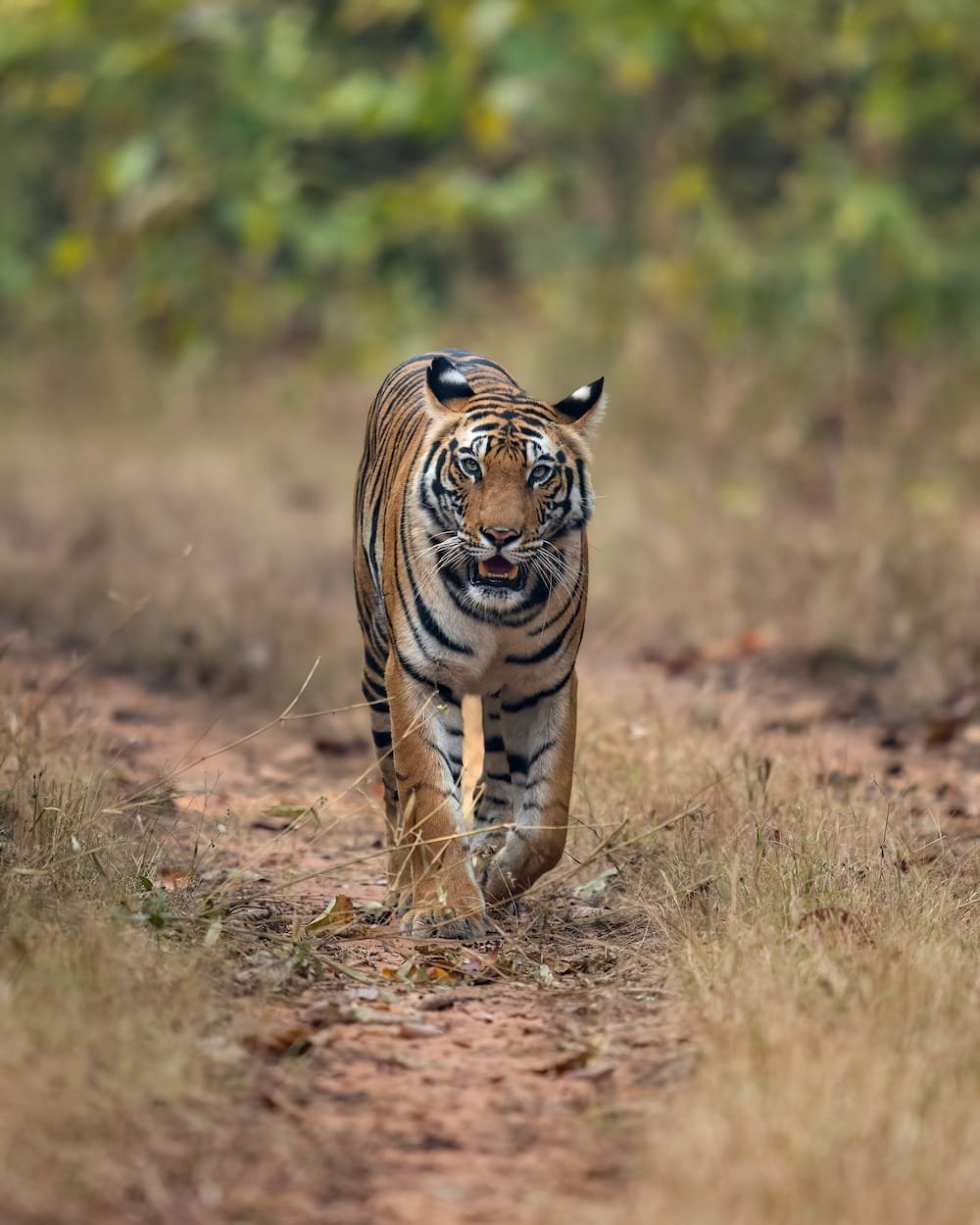
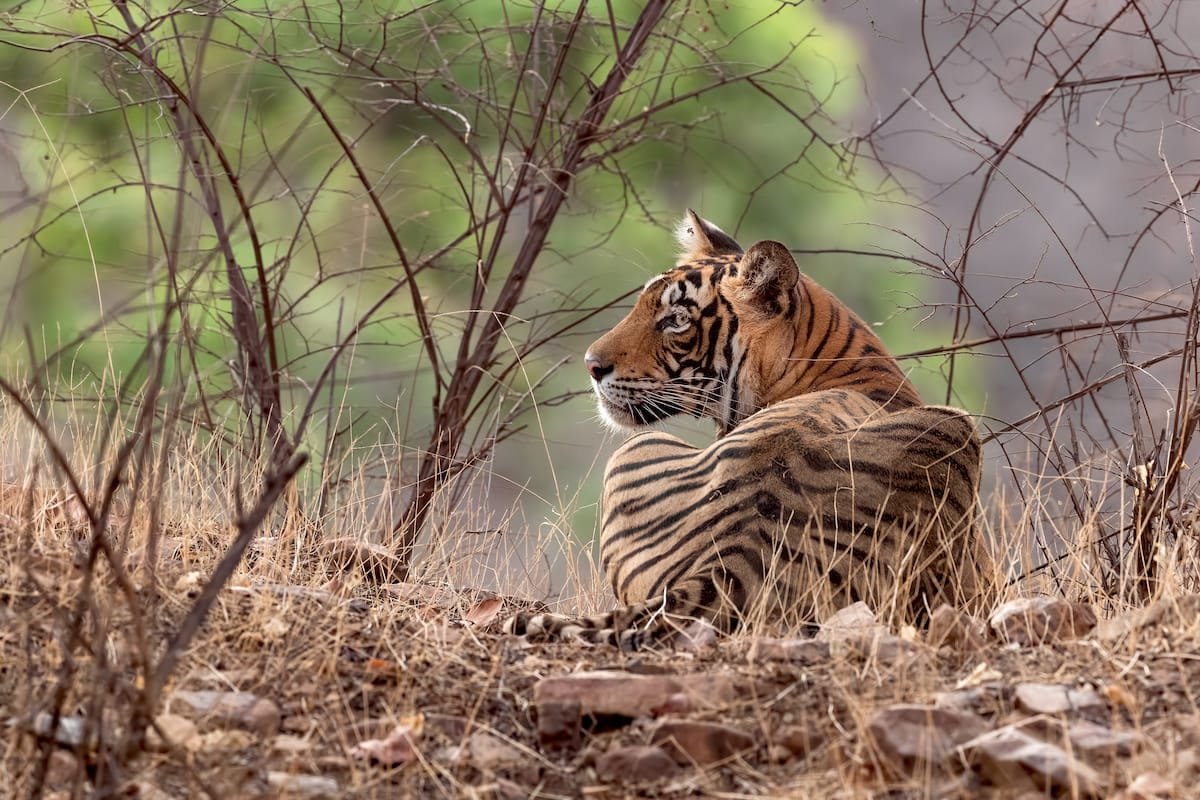
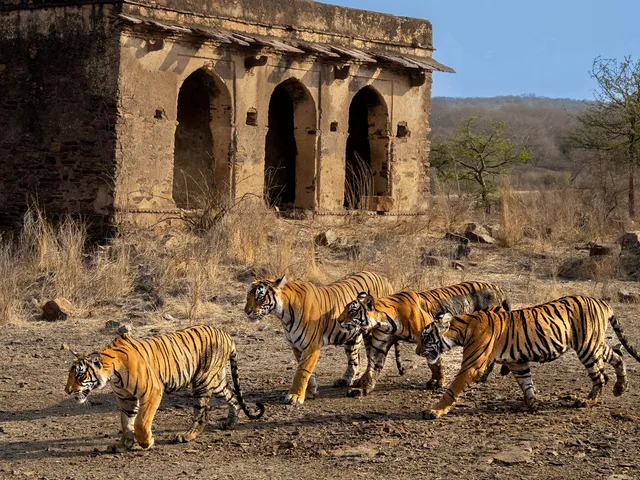
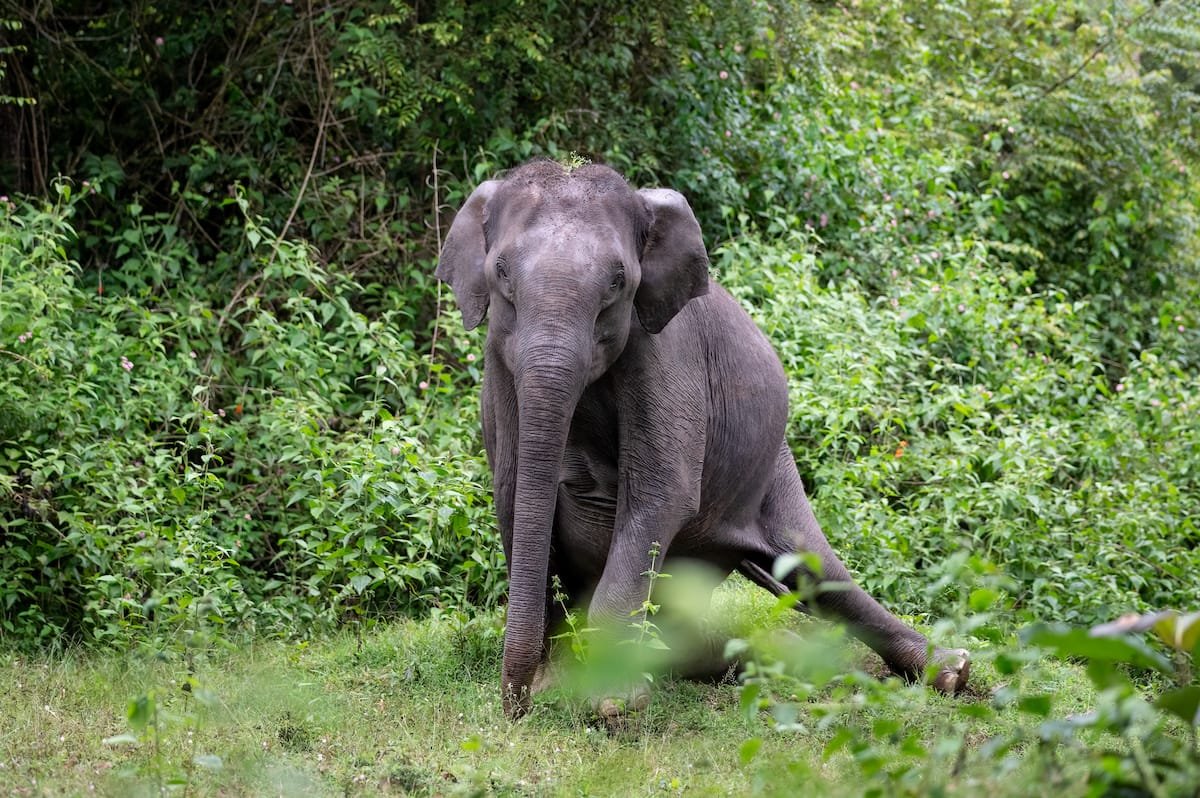
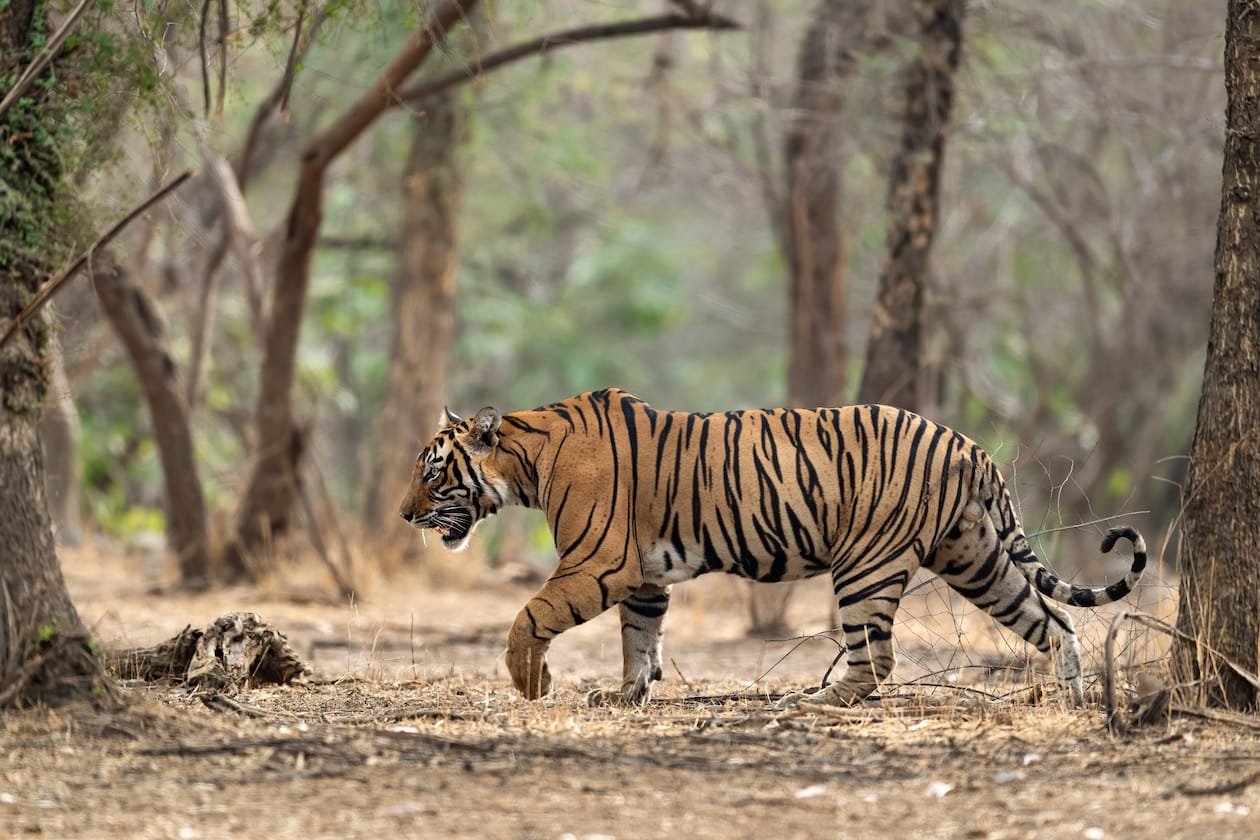
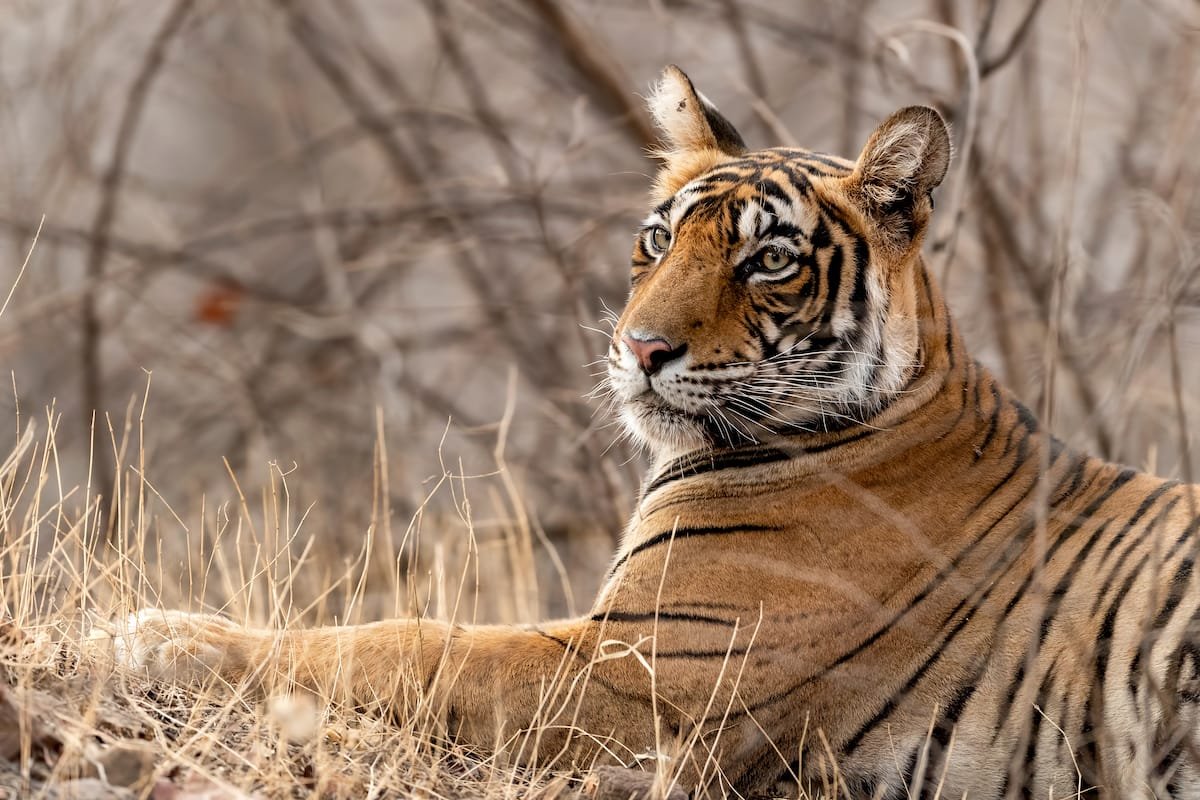
The park is home to flagship species such as the Bengal tiger, Indian one-horned rhinoceros, and Asian elephant, making it one of the few reserves in India where all three coexist. Other mammals include leopards, swamp deer (barasingha), hispid hare, and fishing cats. Reptiles like marsh crocodiles and gharials thrive in its rivers, while the wetlands support rich aquatic life.

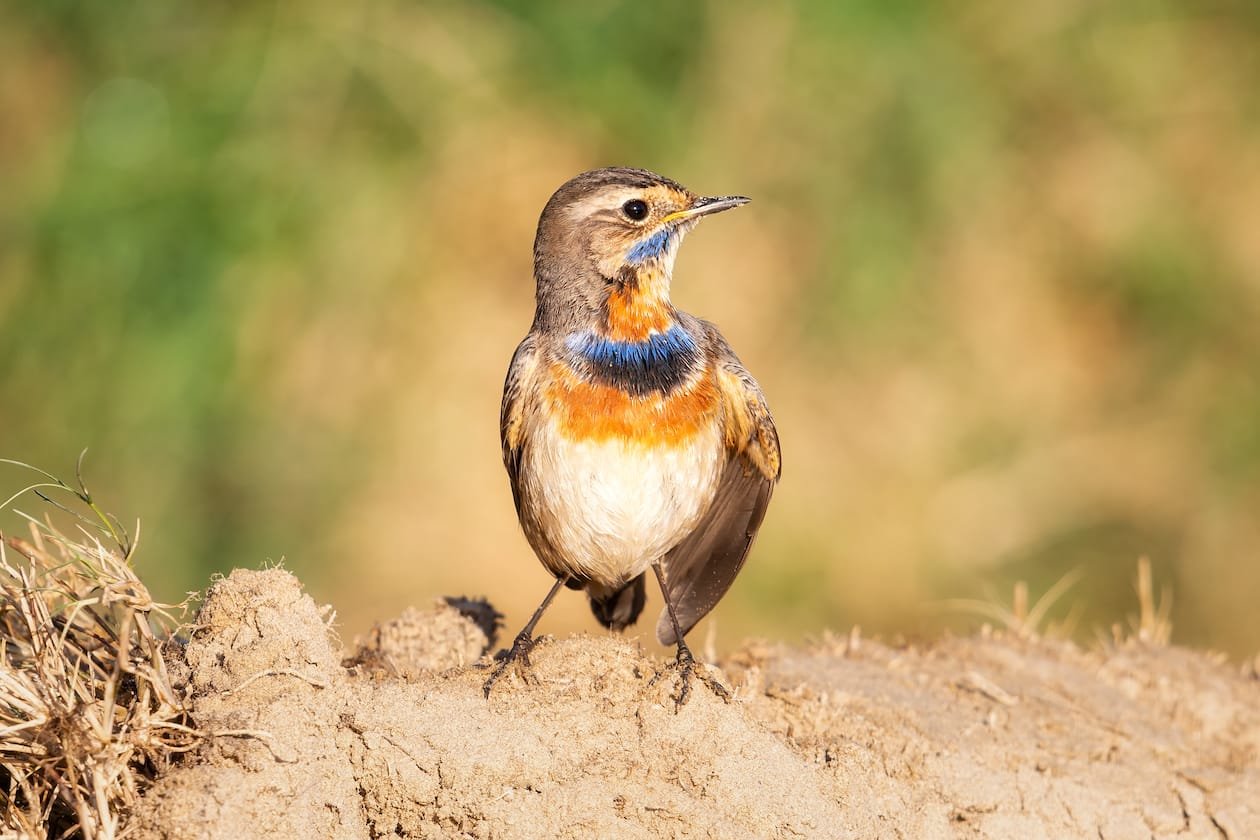
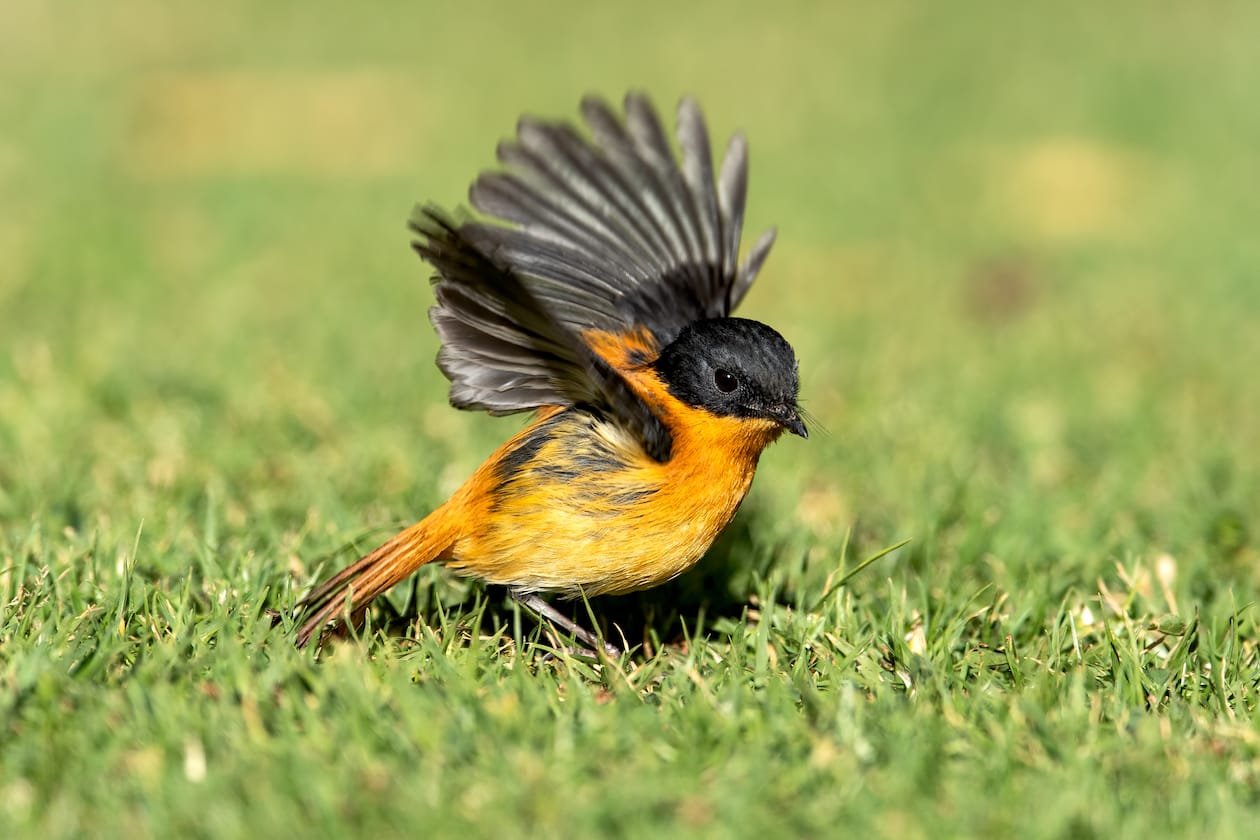
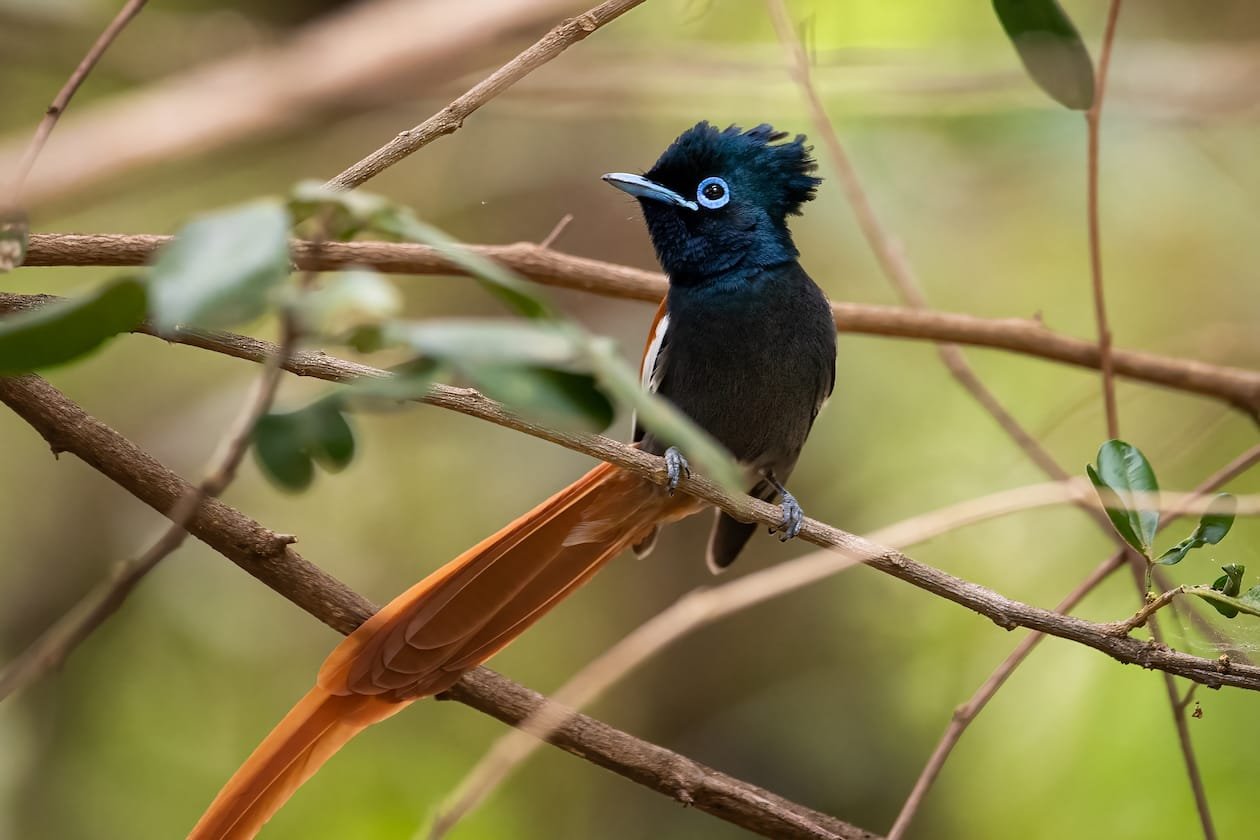
Bird diversity is another highlight, with over 450 species recorded. From critically endangered vultures and migratory species like the great slaty woodpecker to resident birds such as owls, hornbills, and kingfishers, Dudhwa is a paradise for ornithologists. Its location along the Indo-Gangetic migratory route adds to its avian richness.

About Dudhwa National Park

Dudhwa was declared a wildlife sanctuary in 1958, a tiger reserve in 1979 under Project Tiger, and later attained the status of a national park in 1977. Today, along with Kishanpur and Katarniaghat Wildlife Sanctuaries, it forms the larger Dudhwa Tiger Reserve. The park gained international recognition due to the conservation efforts of ‘Billy’ Arjan Singh, a legendary wildlife conservationist who reintroduced tigers and leopards into the wild here.

The terrain of Dudhwa is flat and fertile, part of the Terai-Bhabar ecosystem at the Himalayan foothills. Its marshes and tall grasslands are particularly important for the survival of the endangered swamp deer (barasingha), whose population here is one of the largest in the world. The reserve also provides a critical corridor for elephants and tigers moving between India and Nepal.

Culturally, the park is surrounded by villages and tribal communities, mainly the Tharu people, who have lived in harmony with the forest for centuries. Their traditions, architecture, and lifestyle add a human dimension to Dudhwa, making it not just a wildlife destination but also a cultural landscape.
🦁 Mammals

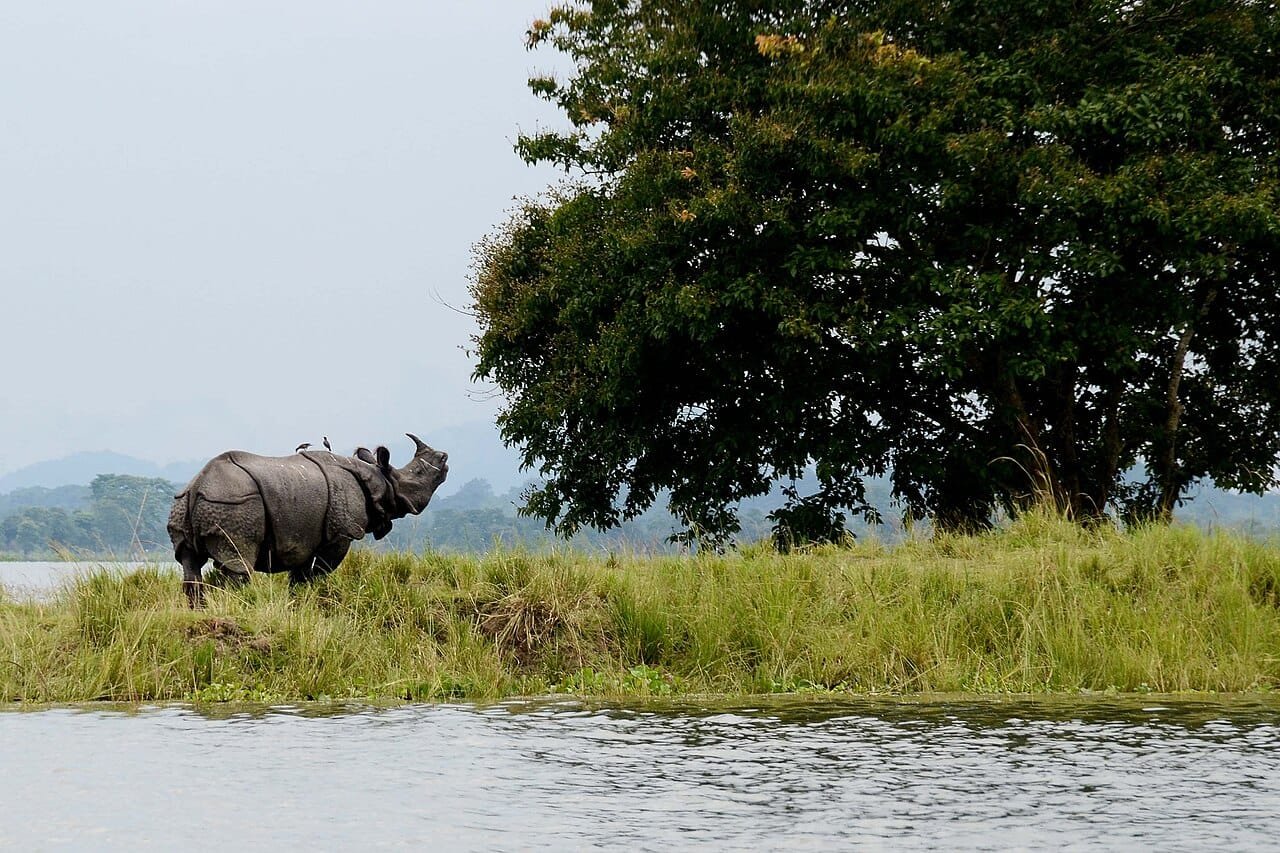
Indian One-Horned Rhinoceros

Leopard

Asiatic Elephant

Barasingha (Swamp Deer)

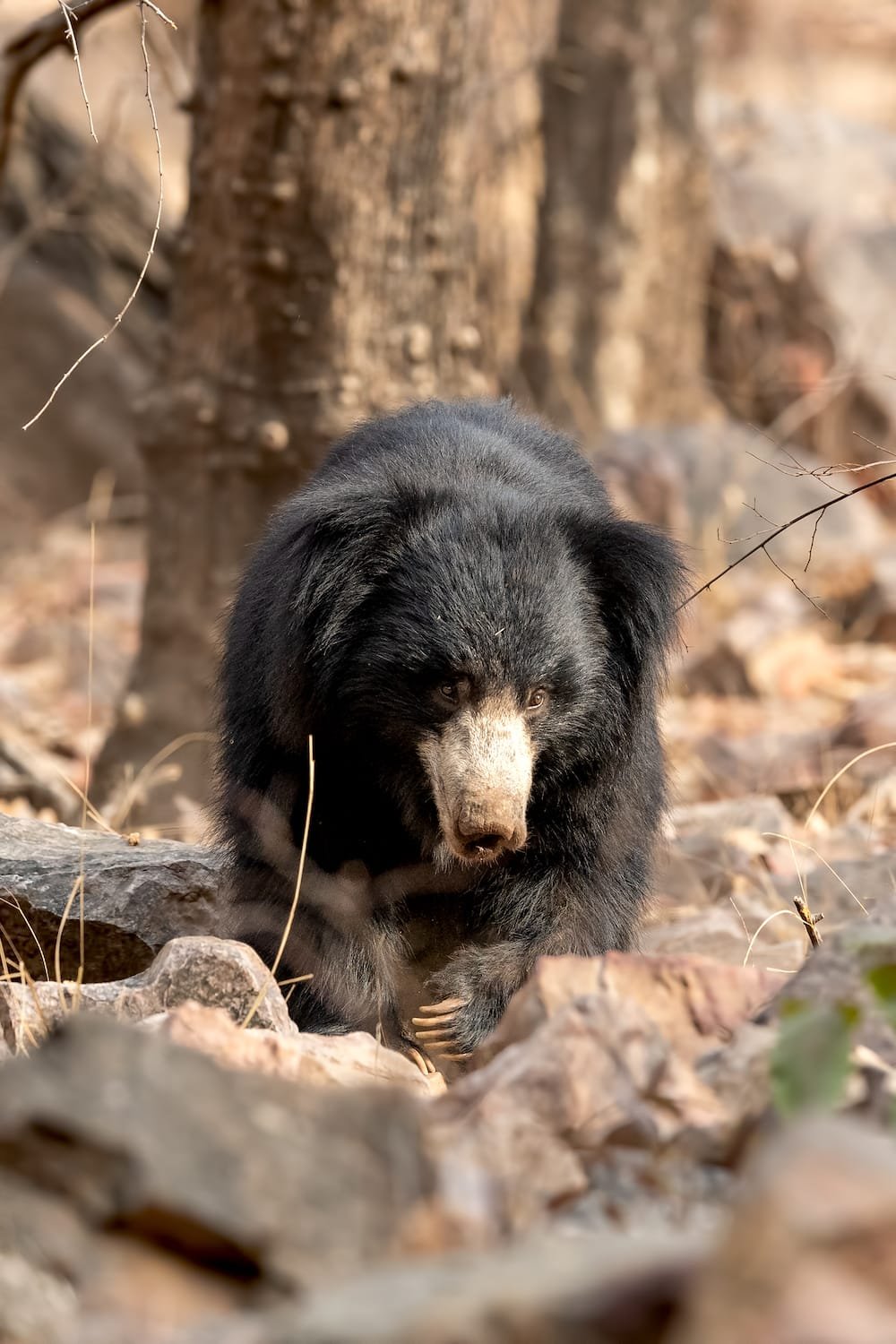
Sloth Bear

Fishing Cat

Hispid Hare

Jackal

Wild Boar

🦅 Birds

Bengal Florican (critically endangered)

Great Slaty Woodpecker

Sarus Crane

Indian Peafowl

Painted Stork

White-rumped Vulture

Brown Fish Owl

Black-necked Stork

Lesser Adjutant Stork

Collared Falconet

Best Time To Visit

The prime time to visit Dudhwa National Park is from November to April, coinciding with the park's open season and offering the best possible experience.

The weather during this period is cool and pleasant, making the twice-daily jungle safaris comfortable. Critically, wildlife visibility is at its peak. Visitors have an excellent chance to see the iconic Bengal Tiger, the reintroduced Indian One-horned Rhinoceros, and huge congregations of the rare Swamp Deer (Barasingha) in the open grasslands.

Furthermore, winter transforms Dudhwa into a spectacular haven for birdwatching, as numerous migratory birds arrive to populate the wetlands.

Safari Zones

  • Dudhwa Zone (Core): The most popular section, known for its open grasslands and dense Sal forests. It is the best place to see the magnificent Swamp Deer (Barasingha) and the Indian Rhinoceros in the dedicated Rhino Conservation Area.
  • Kishanpur Wildlife Sanctuary: Famous for its dense Sal forests and its large waterbody, Jhadi Tal, making it a paradise for birdwatching and providing great habitat for tigers and leopards.
  • Sonaripur Zone: Specifically known for the highest concentration of the Indian One-horned Rhinoceros.
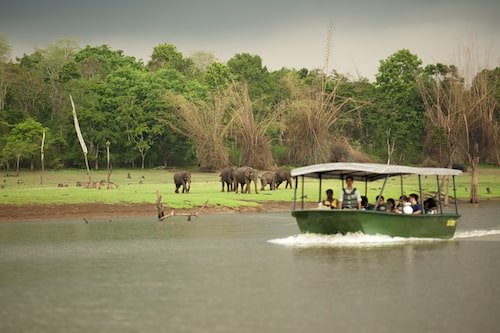
  • Katarniaghat Wildlife Sanctuary (Buffer): Located on the Ghaghara River, this zone is unique for boat safaris to spot the critically endangered Gharial crocodile, Marsh Mugger crocodiles, and the Gangetic Dolphin.

Surprising Facts

Dudhwa is famous for the reintroduction of the Indian one-horned rhinoceros, which had gone extinct from this region more than a century ago. In the 1980s, rhinos were translocated from Assam and Nepal, and today, a small but stable population survives in the park’s grasslands. Equally fascinating is the story of Billy Arjan Singh, who hand-reared a tigress named “Tara” and successfully released her into Dudhwa in 1976 — a rare and bold experiment in wildlife conservation. These milestones make Dudhwa not just a protected forest but also a site of pioneering conservation efforts.

490+

Square Kilometers

47+

mammals species

450+

bird species

135+

tigers

unique glimpses

Captured Moments

A glimpse into the wild, captured in perfect harmony.

How To Reach

Plan your Journey to Dudhwa National Park with ease - by Air, Train or Road!

By Air

The nearest airport is Lucknow’s Chaudhary Charan Singh International Airport, about 230 km away. Lucknow is well connected to all major Indian cities.

By Train

The closest railway station is Dudhwa, around 4 km from the park gate. Alternatively, Lakhimpur and Mailani stations are also nearby and better connected.

By Road

Dudhwa is accessible via road from Lucknow (230 km), Lakhimpur Kheri (90 km), and Delhi (approx. 430 km). State transport buses and taxis operate on these routes.

Things To Do

Make every moment count — here’s what to do in Dudhwa National Park!

Boat Safari

A unique, must-do activity on the Girwa River. You can spot endangered aquatic species like the Gharial (crocodiles), Marsh Mugger crocodiles, and the Gangetic Dolphin.

Birdwatching

The entire reserve, especially the Kishanpur Wildlife Sanctuary (Jhadi Tal), is a paradise for birders. It is home to over 400 resident and migratory species, including the rare Bengal Florican.

Nature & Jungle Walks

Guided walks are permitted in certain buffer areas, offering a chance to learn about the forest's smaller flora, fauna, and tracks.

Historical Sites

Explore the unique Frog Temple (Mandook Tantra) at Oel, a local cultural attraction near the park.

Elephant Safari

Available in the Dudhwa zone, this allows you to explore tall grassland areas and the Rhino Rehabilitation Area where jeeps cannot easily navigate, offering a distinct vantage point.

create your experience

Design Your Customized Safari

Every Journey is unique. Tell us your vision and we'll craft a Personalized safari experience tailored to your desired!

Related Safaris